- Top Pick: ASUS Prime AMD Radeon RX 9070 XT 16GB GDDR6 OC Edition Graphics Card, AMD (PCIe 5.0, HDMI/DP 2.1, 2.5-Slot Design, Axial-tech Fans, Ball Bearings, Dual BIOS, GPU Guard), 3 Year Warranty
- Best Value: ASRock Radeon RX 9070 XT Challenger 16GB OC Graphics Card – AMD RDNA 4 Architecture, 2970 MHz Boost Clock, GDDR6, PCIe 5.0, DisplayPort 2.1a, HDMI 2.1b, Triple Fan Cooling 800W
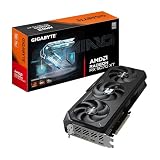
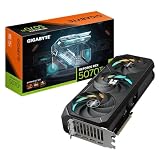
- Premium Choice: GIGABYTE Radeon RX 9070 XT Gaming OC 16G Graphics Card, PCIe 5.0, 16GB GDDR6, GV-R9070XTGAMING OC-16GD Video Card
The AMD Radeon RX 9070 XT has quickly become one of the most talked-about graphics cards for gamers chasing high-refresh 1440p and entry-level 4K performance. Built on AMD’s RDNA 4 architecture, it pairs a generous 16GB of GDDR6 memory with strong rasterization and improved ray tracing, positioning it as a compelling value alternative to NVIDIA’s mid-to-upper tier. For players who want serious frame rates without stepping into flagship pricing, it is a card worth serious attention.
In this review we look at several board-partner versions of the RX 9070 XT, including the ASUS Prime OC, the ASRock Challenger and Steel Legend, the GIGABYTE Gaming OC, the ASUS Prime White OC, and the XFX Swift. Since these all share the same core GPU, our focus is on how their coolers, clocks, and designs differ, so you can pick the version that best fits your build and thermal needs.
As an Amazon Associate we earn from qualifying purchases at no extra cost to you. Product prices and availability are accurate as of the date shown and are subject to change.


🎮 Get More From Your Setup — Free
Prime Gaming gives you free PC games every month, in-game loot, and a free Twitch channel sub — plus fast free shipping on all the gear above. New members get a 30-day free trial.
Watch: Radeon rx9070xt: Review & Buyer’s Guide — Video Review
Design & Build
Every RX 9070 XT here uses a robust triple-fan or dual-BIOS cooling solution, reflecting the card’s power and heat output. The ASUS Prime OC and Prime White OC bring Axial-tech fans, ball bearings, dual BIOS, and GPU Guard for reinforced protection, with the white version offering a clean aesthetic for light-themed builds. The ASRock Challenger and Steel Legend add triple-fan cooling and, on the Steel Legend, Polychrome SYNC lighting and a reinforced metal frame. The GIGABYTE Gaming OC and XFX Swift round things out with their own sturdy triple-fan designs. All are large 2.5-slot-plus cards, so case clearance matters.
Performance
Because they share the same RDNA 4 GPU and 16GB of GDDR6, real-world gaming performance across these cards is very close, with factory overclocks like the ASRock Challenger’s 2970MHz boost yielding only small differences. At 1440p the RX 9070 XT delivers high frame rates in modern titles, and it stretches comfortably into entry 4K with upscaling. The 16GB of VRAM is a real strength, giving headroom for high textures and future games. PCIe 5.0, DisplayPort 2.1a, and HDMI 2.1b ensure compatibility with the latest high-refresh monitors. The main practical differences come down to cooling efficiency, noise, and clock headroom rather than dramatic performance gaps.
Pros & Cons
- Generous 16GB VRAM that future-proofs high-texture and demanding games.
- Strong 1440p performance with capable entry 4K gaming via upscaling.
- Robust cooling across all board-partner versions.
- Modern connectivity with PCIe 5.0 and DisplayPort 2.1a.
- Large physical size demands good case clearance.
- Higher power draw means checking your PSU wattage and connectors.
- Ray tracing trails NVIDIA’s top cards, though RDNA 4 narrows the gap.
Alternatives to Consider
If ray tracing and DLSS 4 upscaling are your top priorities, an NVIDIA RTX 5070-class card is worth comparing, though often at a higher price for equivalent VRAM. Gamers on a tighter budget who mainly play at 1080p or lighter 1440p can save with an RX 9060 XT or an RTX 5060 Ti. And if you want the quietest, coolest operation, prioritize the triple-fan Steel Legend or XFX Swift versions within the RX 9070 XT family itself.
Frequently Asked Questions
Which RX 9070 XT version is best?
Since they share the same GPU, differences are small. Choose based on cooler quality, noise, size, and looks. The ASRock Steel Legend and ASUS Prime models are well-regarded for cooling and features.
Is the RX 9070 XT good for 4K?
It handles entry-level 4K well, especially with FSR upscaling enabled, and excels at high-refresh 1440p. For maxed-out native 4K in the most demanding titles, a higher-tier card performs better.
How much power does it need?
The RX 9070 XT is a power-hungry card, so a quality power supply with adequate wattage and the correct connectors is important. Check each model’s stated requirements before buying.
Does 16GB of VRAM really matter?
Yes, 16GB provides valuable headroom for high-resolution textures, ray tracing, and future games, making the card more future-proof than 8GB alternatives at similar performance tiers.
Verdict
The Radeon RX 9070 XT is an excellent choice for gamers targeting high-refresh 1440p and capable entry 4K, backed by a future-friendly 16GB of VRAM and modern connectivity. Since all the board-partner versions share the same strong core, your decision comes down to cooling, size, noise, and aesthetics rather than raw speed. The ASUS Prime and ASRock Steel Legend stand out for thermals and features, so pick the one that fits your case and build style, and you will enjoy powerful, well-cooled performance.