- Top Pick: GIGABYTE Radeon RX 9070 XT Gaming OC 16G Graphics Card, PCIe 5.0, 16GB GDDR6, GV-R9070XTGAMING OC-16GD Video Card
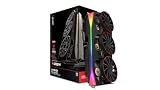
- Best Value: GIGABYTE Radeon™ RX 9070 XT Gaming OC ICE 16G Graphics Card (16GB GDDR6, 256-bit, PCIe 5.0, HDMI/DP 2.1, 2.7 Slot, Hawk Fan, Server-Grade Thermal Gel, Reinforced Structure)
- Premium Choice: ASUS Prime AMD Radeon RX 9070 XT 16GB GDDR6 OC Edition Graphics Card, AMD (PCIe 5.0, HDMI/DP 2.1, 2.5-Slot Design, Axial-tech Fans, Ball Bearings, Dual BIOS, GPU Guard), 3 Year Warranty
First, a quick clarification worth making: the “9070 XT” is a Radeon RX 9070 XT graphics card, not a Ryzen processor. It is an easy mix-up since AMD makes both Ryzen CPUs and Radeon GPUs, but this is squarely a graphics card, one of AMD’s most impressive RDNA 4 releases and a genuine highlight for gamers building or upgrading a modern rig.
This review looks at the leading versions of the RX 9070 XT from top partners, including the GIGABYTE Gaming OC and its ICE variant, the ASUS Prime RX 9070 XT, and several XFX Swift Triple Fan editions in both black and white. All share the same core GPU, so the differences come down to cooling, design, and clock tuning.
As an Amazon Associate we earn from qualifying purchases at no extra cost to you. Product prices and availability are accurate as of the date shown and are subject to change.


🎮 Get More From Your Setup — Free
Prime Gaming gives you free PC games every month, in-game loot, and a free Twitch channel sub — plus fast free shipping on all the gear above. New members get a 30-day free trial.
Watch: Ryzen 9070xt: Review & Buyer’s Guide — Video Review
Design & Build
Because these cards share AMD’s RX 9070 XT silicon, board partners compete on cooling and aesthetics. The GIGABYTE Gaming OC uses a robust triple-fan cooler with server-grade thermal gel and a reinforced structure, and the ICE edition wraps it in a clean white shroud for light-themed builds. The ASUS Prime takes a slightly more compact 2.5-slot approach with Axial-tech fans, ball bearings, dual BIOS, and a GPU Guard for durability. The XFX Swift models bring their own triple-fan designs, including a striking white variant, all built around 16GB of GDDR6 and PCIe 5.0. Every version is a sizable card, so check case clearance before buying.
Performance
This is where the RX 9070 XT shines. Built on RDNA 4 with 16GB of GDDR6 on a 256-bit bus, it delivers excellent high-refresh 1440p gaming and very capable 4K performance, with strong ray-tracing gains over previous AMD generations and FSR upscaling to boost frame rates further. The factory-overclocked cards, like the GIGABYTE Gaming OC and the XFX Swift editions, squeeze out a little extra clock speed, though real-world differences between partner cards are usually small. What matters more is cooling and noise, where the beefy triple-fan designs keep temperatures and acoustics in check even during long sessions. For most gamers, any of these will deliver a superb, future-ready experience.
Pros & Cons
- Excellent 1440p and 4K: Strong performance for high-refresh modern gaming.
- Generous 16GB VRAM: Ample memory for demanding games and textures.
- Improved ray tracing: RDNA 4 closes the gap on advanced effects.
- Design choices: Black and white triple-fan options for any build.
- Large physical size: Requires a roomy case and good clearance.
- High power draw: Needs a capable, higher-wattage power supply.
- Minor partner differences: Factory OC gains are small between versions.
Alternatives to Consider
If your budget is tighter, AMD’s RX 9060 XT offers RDNA 4 features at a lower price for mainstream 1080p and 1440p gaming. On the NVIDIA side, cards like the RTX 5060 Ti compete on features and DLSS. Within the RX 9070 XT family itself, choose based on cooler quality, size, and looks rather than tiny clock differences, the ASUS Prime suits compact builds, while the GIGABYTE and XFX triple-fan cards prioritize cooling and style.
Frequently Asked Questions
Is the 9070 XT a Ryzen CPU or a graphics card?
It is a graphics card, the Radeon RX 9070 XT. The name is often confused with Ryzen processors, but this is a GPU. AMD makes both Ryzen CPUs and Radeon GPUs, which causes the mix-up.
What resolution is the RX 9070 XT best for?
It excels at high-refresh 1440p gaming and is very capable at 4K in many titles. Its 16GB of memory and RDNA 4 architecture make it a strong, future-ready choice for demanding modern games.
Which brand of RX 9070 XT should I buy?
They all use the same GPU, so pick based on cooling, size, noise, and appearance. The ASUS Prime is more compact, while the GIGABYTE and XFX triple-fan cards emphasize cooling, with white options for themed builds.
What power supply do I need for this card?
The RX 9070 XT draws significant power, so a capable higher-wattage PSU is required. Check the manufacturer’s recommended wattage and ensure your case has room for a large triple-fan card before buying.
Verdict
The Radeon RX 9070 XT is one of AMD’s most compelling RDNA 4 cards, delivering excellent 1440p and 4K gaming with a generous 16GB of memory and much-improved ray tracing. Since all partner versions share the same GPU, choose the GIGABYTE, ASUS Prime, or XFX Swift based on cooling, size, and looks. Just remember it is a graphics card, not a Ryzen chip, and pair it with a roomy case and a strong power supply.