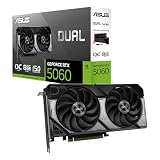
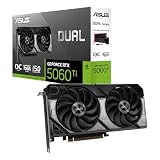
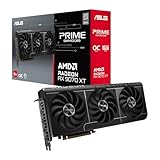
- Top Pick: ASUS SFF-Ready Prime NVIDIA GeForce RTX 5070 Ti 16GB GDDR7 OC Edition 16GB GDDR7 Graphics Card (PCIe 5.0, HDMI/DP 2.1, 2.5-Slot, Axial-tech Fans, Dual BIOS), 3 Year Warranty
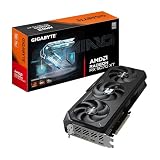
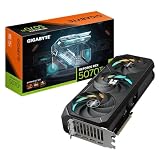
- Best Value: GIGABYTE GeForce RTX 5070 Ti Gaming OC 16G Graphics Card, 16GB 256-bit GDDR7, PCIe 5.0, WINDFORCE Cooling System, GV-N507TGAMING OC-16GD Video Card
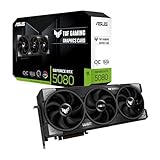
- Premium Choice: PNY GeForce RTX 5070 Ti Epic-X ARGB OC Triple Fan, Graphics Card, 16GB GDDR7, 256-Bit, 2640 MHz Boost, PCIe 5.0, HDMI/DP 2.1, NVIDIA Blackwell, DLSS 4
The NVIDIA GeForce RTX 5070 Ti has landed as one of the sweet-spot graphics cards of the Blackwell generation, delivering high-end 1440p and capable 4K gaming with 16GB of fast GDDR7 memory. For builders who want serious performance without stepping up to flagship pricing, the 5070 Ti hits a compelling balance.
With multiple board partners offering their own takes, from compact SFF-ready cards to triple-fan overclocked monsters, this review breaks down what the 5070 Ti delivers and which version fits your build best.
As an Amazon Associate we earn from qualifying purchases at no extra cost to you. Product prices and availability are accurate as of the date shown and are subject to change.


🎮 Get More From Your Setup — Free
Prime Gaming gives you free PC games every month, in-game loot, and a free Twitch channel sub — plus fast free shipping on all the gear above. New members get a 30-day free trial.
Watch: 5070 Ti Graphics Card: Review & Buyer’s Guide — Video Review
Design & Build
Board partners have taken varied approaches to the 5070 Ti. The ASUS Prime SFF-Ready model is a compact 2.5-slot card with Axial-tech fans built for small-form-factor cases, while the GIGABYTE Gaming OC and WINDFORCE models use larger triple-fan coolers for lower temperatures and quieter operation. The PNY Epic-X ARGB adds customizable lighting and a triple-fan design, and GIGABYTE’s Eagle OC ICE brings a striking white aesthetic. All feature PCIe 5.0, HDMI and DisplayPort 2.1, and dual-BIOS or robust cooling on the premium models.
Performance
The RTX 5070 Ti is a genuine high-refresh 1440p champion and a very capable 4K card, especially with DLSS 4 and frame generation enabled. Its 16GB of 256-bit GDDR7 gives it ample memory headroom for demanding textures and future titles, avoiding the VRAM pinch that plagues lesser cards. Factory-overclocked models like the GIGABYTE Gaming OC and PNY Epic-X squeeze out extra boost clocks, while the SFF-ready ASUS Prime and GIGABYTE WINDFORCE SFF variants deliver nearly identical performance in a smaller footprint for compact builds.
Pros & Cons
- Excellent 1440p and strong 4K gaming performance.
- Generous 16GB GDDR7 for future-proof memory headroom.
- DLSS 4 and frame generation boost frame rates dramatically.
- SFF-ready options for small-form-factor builds.
- Premium pricing compared with mid-range cards.
- Large triple-fan models need roomy cases.
Alternatives to Consider
If you are building in a small case, the ASUS Prime SFF-Ready or GIGABYTE WINDFORCE SFF models pack full performance into a compact 2.5-slot design. For the coolest, quietest operation in a standard tower, the GIGABYTE Gaming OC is the pick, while the PNY Epic-X ARGB adds flashy lighting for showcase builds. Those who want a distinctive look should consider the GIGABYTE Eagle OC ICE in white.
Frequently Asked Questions
Is the RTX 5070 Ti good for 4K gaming?
Yes. With its 16GB of GDDR7 and DLSS 4, the 5070 Ti handles 4K gaming well in most titles, and it excels at high-refresh 1440p play.
How much VRAM does the 5070 Ti have?
It comes with 16GB of 256-bit GDDR7 memory, giving it comfortable headroom for demanding textures and helping it stay relevant for future games.
Do I need a big case for a 5070 Ti?
Triple-fan models need a roomy tower, but SFF-ready versions from ASUS and GIGABYTE are designed for compact builds without sacrificing performance.
What power supply does it need?
A quality 750W or higher 80+ Gold PSU is recommended for most 5070 Ti builds, with headroom depending on your CPU and overall system draw.
Verdict
The RTX 5070 Ti is one of the smartest high-end GPU buys of the Blackwell era, blending strong 1440p and 4K performance with future-proof 16GB memory. The GIGABYTE Gaming OC is our top pick for cool, quiet power, the ASUS Prime SFF-Ready is best for compact builds, and the PNY Epic-X ARGB shines in showcase rigs. Match the cooler and size to your case, and the 5070 Ti will game beautifully for years.