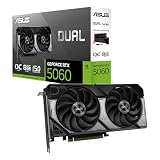
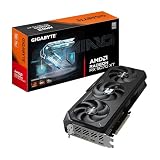
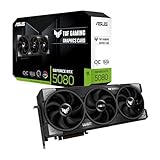
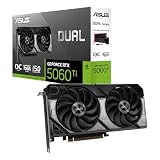
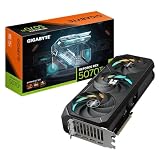
- Top Pick: GIGABYTE GeForce RTX 5070 Gaming OC 12G Graphics Card, 12GB 192-bit GDDR7, PCIe 5.0, WINDFORCE Cooling System, GV-N5070GAMING OC-12GD Video Card
- Best Value: PNY GeForce RTX 5070 Ti Epic-X ARGB OC Triple Fan, Graphics Card, 16GB GDDR7, 256-Bit, 2640 MHz Boost, PCIe 5.0, HDMI/DP 2.1, NVIDIA Blackwell, DLSS 4
- Premium Choice: GIGABYTE GeForce RTX 5070 Eagle OC ICE SFF 12G Graphics Card, 12GB 192-bit GDDR7, PCIe 5.0, WINDFORCE Cooling System, GV-N5070EAGLEOC ICE-12GD Video Card, Compatible with Desktop
Nvidia’s RTX 5070 has quickly become the sweet-spot card for 1440p gaming, but “all RTX 5070 models” is a larger tent than newcomers expect. Between the standard 5070, the beefier 5070 Ti, compact SFF-ready variants, and full prebuilt systems that ship with the GPU inside, the naming can blur together fast. Picking the right one comes down to cooler design, board partner tuning, and whether you actually want a bare card or a finished machine.
This review breaks down a representative slice of the lineup, from the GIGABYTE Gaming OC and Eagle OC ICE SFF cards to PNY’s 5070 Ti Epic-X and turnkey builds like the Lenovo Legion Pro 5i and Skytech Rampage. We’ll focus on what separates one 5070 from the next so you can match a model to your case, resolution, and budget.
As an Amazon Associate we earn from qualifying purchases at no extra cost to you. Product prices and availability are accurate as of the date shown and are subject to change.


🎮 Get More From Your Setup — Free
Prime Gaming gives you free PC games every month, in-game loot, and a free Twitch channel sub — plus fast free shipping on all the gear above. New members get a 30-day free trial.
Watch: All Rtx 5070 Models: Review & Buyer’s Guide — Video Review
Design & Build
Cooler and form factor are where these models diverge most. The GIGABYTE RTX 5070 Gaming OC uses a triple-fan WINDFORCE shroud built for airflow and quiet operation in a standard mid-tower, while the Eagle OC ICE SFF version trims length to fit small-form-factor builds without abandoning cooling headroom. PNY’s 5070 Ti Epic-X ARGB adds a triple-fan design with lighting for showcase rigs. The Lenovo Legion Pro 5i Gen 10 folds a mobile 5070 Ti into a 16-inch OLED chassis, and the Skytech Rampage packages the desktop card into a ready-to-run tower, so “build” here spans loose GPUs to complete systems.
Performance
All of these lean on Blackwell architecture, GDDR7 memory, PCIe 5.0, and DLSS 4, so the baseline is strong. The standard 5070 models with 12GB on a 192-bit bus target high-refresh 1440p, and factory OC cards like the GIGABYTE Gaming OC squeeze out modest extra clocks. Step up to the 5070 Ti with 16GB on a 256-bit bus, as in the PNY Epic-X, and you gain meaningful headroom for demanding titles and light 4K. The Legion laptop’s mobile 5070 Ti trades some sustained wattage for portability, while the Skytech prebuilt pairs the desktop card with a Core i5 for balanced 1080p-to-1440p play.
Pros & Cons
- DLSS 4 across the board: frame generation dramatically lifts playable settings.
- SFF options exist: the Eagle OC ICE fits compact builds many rivals can’t.
- Clear upgrade path: 5070 to 5070 Ti covers 1440p through entry 4K.
- Prebuilt convenience: Skytech and Lenovo remove the assembly hurdle entirely.
- 12GB may feel tight: the base 5070’s VRAM limits ultra-textures at 4K.
- Naming confusion: mobile and desktop “5070 Ti” perform differently.
- OC gains are small: factory-tuned cards rarely justify large price jumps.
Alternatives to Consider
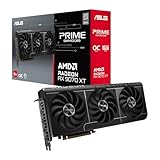
If your target is pure 4K high-refresh gaming, an RTX 5080 or 5090 makes more sense than stretching a 5070. On the value end, AMD’s RX 9070 series competes directly at 1440p and sometimes undercuts on price. And if you don’t want to build, comparing complete systems like the Skytech Rampage against a self-assembled GIGABYTE-based rig often reveals the real cost difference.
Frequently Asked Questions
What’s the difference between the 5070 and 5070 Ti?
The Ti adds more CUDA cores, 16GB of VRAM on a wider 256-bit bus, and higher performance. It’s the better pick for demanding 1440p or entry-level 4K gaming.
Is a small-form-factor 5070 worth it?
Yes, if your case demands it. The GIGABYTE Eagle OC ICE SFF fits compact builds while keeping temperatures reasonable, though airflow in your case still matters.
Should I buy a card or a prebuilt?
Buy the card if you already have a compatible platform. Choose a prebuilt like the Skytech Rampage if you want a warrantied, ready-to-game system without sourcing parts.
Do I need PCIe 5.0 to use these?
No. These cards are backward compatible with PCIe 4.0 slots with negligible performance loss, so an older motherboard won’t bottleneck them meaningfully.
Verdict
Across “all RTX 5070 models,” the standard GIGABYTE Gaming OC is the balanced 1440p pick, the PNY 5070 Ti Epic-X is the choice when you want more VRAM and headroom, and the Eagle OC ICE SFF solves compact-build constraints. If you’d rather skip assembly, the Skytech Rampage and Lenovo Legion Pro 5i deliver the same silicon in finished form. Match the cooler and tier to your case and resolution, and any of these will serve you well.