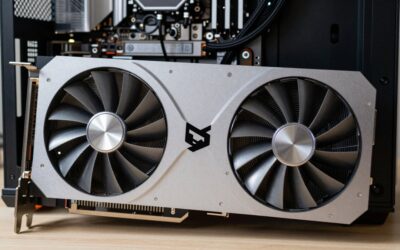
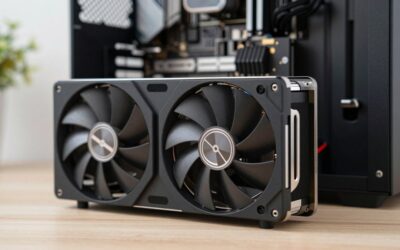
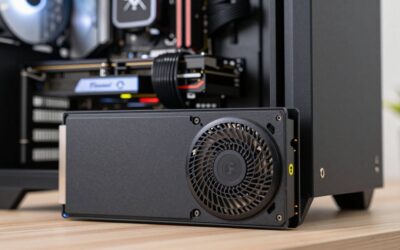
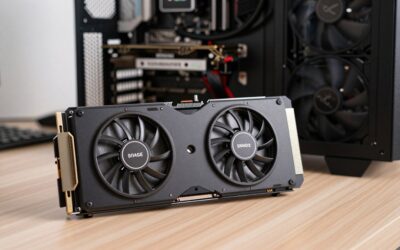
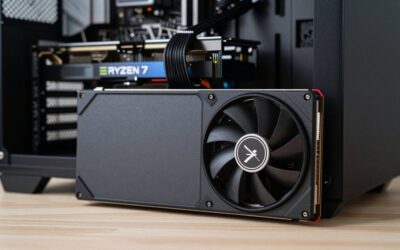
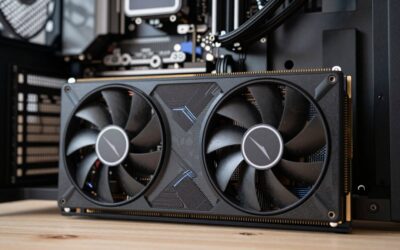
There is no single best GPU brand: NVIDIA, AMD and Intel design the chips, and board partners such as ASUS, MSI, Gigabyte, Sapphire, PowerColor, XFX and Zotac build the actual cards, so the best brand of GPU depends on which product line you are buying and what you value most. As a practical shortcut in 2026, Sapphire and PowerColor are the most consistent choices for Radeon cards, ASUS, MSI and Gigabyte offer the widest range for GeForce cards, and the mid-tier line of almost any major brand is usually the best value.
Quick answer: For most people in 2026, the best gpu brand is the ASUS — our #1 rated choice. See the full ranked comparison, alternatives and buying advice below.
Two kinds of “brand”: chip maker vs card maker
When people ask which GPU brand is best, they usually mean one of two things.
- The chip maker decides performance, features and drivers. An RTX 5070 from any brand performs within a few percent of any other RTX 5070. NVIDIA, AMD and Intel are the three chip makers in desktop graphics.
- The card maker (board partner) designs the cooler, the circuit board, the power delivery, the fan curve, the warranty and the support. This is where real differences in noise, temperature, size and reliability come from.
This guide focuses on the second question, because once you have picked a GPU model, the card maker is what you are actually choosing between.
Who makes cards for which chips
| Brand | NVIDIA GeForce | AMD Radeon | Intel Arc | Known for |
|---|---|---|---|---|
| ASUS | Yes | Yes | No | Premium ROG Astral/Strix, durable TUF |
| MSI | Yes | Yes (selected generations) | No | Quiet Suprim and Gaming Trio coolers |
| Gigabyte | Yes | Yes | No | Wide range, Aorus flagship line |
| Sapphire | No | Yes | No | AMD specialist, Nitro+ and Pulse |
| PowerColor | No | Yes | No | Red Devil, Hellhound, Reaper |
| XFX | No | Yes | No | Large heatsinks, Mercury and Swift |
| Zotac | Yes | No | No | Compact cards, AMP Extreme |
| PNY | Yes | No | No | Simple designs, workstation cards |
| Palit / Gainward | Yes | No | No | Value-focused GeForce cards |
| ASRock | No | Yes | Yes | Taichi, Steel Legend, Challenger |
| Sparkle | No | No | Yes | Arc specialist, compact models |
| NVIDIA (Founders Edition) | Yes | – | – | Compact dual-slot flagship designs |
EVGA, once a favorite among GeForce buyers, stopped making graphics cards in 2022, so any EVGA card today is old stock or used.
Tiers matter more than logos
Every large brand sells three or four tiers of the same GPU. The gap between a brand’s entry and flagship tier is usually bigger than the gap between two brands at the same tier.
| Tier | Examples | Typical premium over base price | What you get |
|---|---|---|---|
| Entry | ASUS Prime/Dual, MSI Ventus, Gigabyte Windforce, PowerColor Reaper, Sapphire Pure (some models) | 0–5% | Adequate cooling, plainer build, sometimes louder |
| Mid | ASUS TUF, MSI Gaming Trio, Gigabyte Gaming OC/Eagle, Sapphire Pulse, PowerColor Hellhound, XFX Swift | 5–12% | Bigger coolers, quieter, better build; best value |
| Premium | ASUS ROG Astral/Strix, MSI Suprim, Gigabyte Aorus Master, Sapphire Nitro+, PowerColor Red Devil, XFX Mercury | 12–30% | Largest coolers, lowest noise, RGB, extras like dual BIOS |
Factory overclocks on premium cards typically add only 1–4% performance. Their real value is lower noise and temperatures, which matters most on 300W+ cards like the RTX 5080 or RX 9070 XT.
Worked example: is the premium tier worth it?
Take an RTX 5070 Ti with a base-model price around $780. A mid-tier model might cost about $850 and a premium model about $950.
- Mid-tier premium: $70, or about 9%, typically buys a larger triple-fan cooler that runs several degrees cooler and noticeably quieter under load.
- Premium-tier premium: $170, or about 22%, adds perhaps 2–3% performance plus further noise reduction and aesthetics.
Per percentage point of performance, the premium tier costs around $55–$85, compared with roughly $10 per point when stepping up a whole GPU tier, for example from an RTX 5070 (about $585) to an RTX 5070 Ti (about $825) for roughly 25% more performance. Unless silence or looks are priorities, the money is usually better spent on a better GPU tier, a quieter case or a better power supply.
Brand strengths in practice
ASUS
Broad lineup across NVIDIA and AMD. The TUF line is a reliable middle choice with robust coolers, while ROG cards are among the largest and quietest. ASUS cards often carry a price premium compared to similarly cooled competitors.
MSI
Gaming Trio and Suprim models are known for low noise. The Ventus line is cheaper with a simpler cooler, and the smaller Ventus variants can run warmer and louder than mid-tier alternatives.
Gigabyte
Very wide selection, including compact and low-profile models that other brands skip. The Gaming OC and Eagle lines are frequently among the most competitively priced mid-tier cards.
Sapphire
Focused entirely on Radeon. The Pulse line is a strong value choice and the Nitro+ is one of the most refined coolers in the market, with features such as easily replaceable fans on some models.
PowerColor and XFX
Both are AMD-only and frequently price aggressively. PowerColor’s Hellhound and XFX’s Swift lines are well regarded for cooling relative to price.
Zotac, PNY, Palit
NVIDIA-focused brands that often price their entry models close to base price. Zotac tends to offer some of the shortest cards for compact builds.
Warranty and support checklist
Warranty terms vary by brand and region, typically two to three years, and some brands extend coverage when you register the card. Before you buy, check:
- Length and registration rules: some extensions require registration within a set number of days after purchase.
- Transferability: important if you sell the card later; some brands tie coverage to the original buyer.
- Thermal paste and cooler removal: some brands void warranty if you repaste or remove the cooler; others allow it.
- Local RMA center: shipping a card overseas for repair can take weeks; a regional service center shortens that.
Which brand should you buy?
- Radeon card, best balance: Sapphire Pulse or PowerColor Hellhound.
- Radeon card, quietest: Sapphire Nitro+ or PowerColor Red Devil.
- GeForce card, best balance: ASUS TUF, MSI Gaming Trio or Gigabyte Gaming OC.
- GeForce card, compact build: Zotac Twin Edge/Solid models, or NVIDIA Founders Edition where available.
- Intel Arc: Intel’s Limited Edition, ASRock or Sparkle, depending on size and price.
Pick the GPU model for performance first, then the card brand and tier for noise, size and warranty.
Ready to decide? Our #1 pick for 2026 is the ASUS.
Live price & availability on Amazon.