- Top Pick: ARCTIC Liquid Freezer III Pro 360 A-RGB – AIO CPU Cooler, Water Cooling
- Best Value: CORSAIR Nautilus 360 RS ARGB Liquid CPU Cooler – 360mm AIO – Low-Noise – Direct Motherboard Connection – Daisy-Chain – Intel LGA 1851/1700, AMD AM5/AM4 – 3X RS120 ARGB Fans Included – Black
- Premium Choice: CORSAIR Nautilus 360 RS Liquid CPU Cooler – 360mm AIO – Low-Noise – Direct Motherboard Connection – Daisy-Chain – Intel LGA 1851/1700, AMD AM5/AM4 – 3X RS120 Fans Included – Black
What is an AIO cooler? An AIO cooler, short for “all-in-one” liquid cooler, is a sealed, pre-filled water-cooling system that keeps your CPU cool using a pump, tubing, and a radiator with fans. Unlike a traditional air cooler that relies on a metal heatsink, an AIO cooler moves heat away from the processor with liquid, then dissipates it through a radiator mounted to your case. It arrives ready to install, requiring no filling, mixing, or maintenance.
AIO coolers have become the go-to cooling solution for many gaming and enthusiast builds because they combine strong thermal performance with a clean, modern look. Below, we explain exactly how an AIO cooler works, its advantages and drawbacks, and how to decide whether one belongs in your PC.
🛒 Best Price Today on Amazon
Prime members get fast, free shipping on everything above, plus member-only deals. New members get a 30-day free trial — cancel anytime.
What is an AIO cooler and how does it work?
An AIO cooler is a closed-loop liquid cooling system. A pump sits atop the CPU, circulating coolant that absorbs heat from the processor. The warmed liquid travels through flexible tubes to a radiator, where fans blow air across thin metal fins to shed that heat outside the case. The now-cooled liquid returns to the pump, and the cycle repeats continuously.
Because it comes sealed and pre-filled from the factory, an AIO requires none of the setup a custom water loop demands. You simply mount the radiator to your case, attach the pump block to the CPU with thermal paste, and connect the fans. This blend of liquid-cooling performance and plug-and-play convenience is exactly what makes the AIO cooler so popular.
| AIO Component | Function | Why It Matters |
|---|---|---|
| Pump / cold plate | Draws heat from the CPU | Determines contact and flow |
| Tubing | Carries coolant to radiator | Sealed, no maintenance |
| Radiator | Dissipates heat to air | Bigger = cooler (240/360mm) |
| Fans | Push air through radiator | Affect noise and cooling |
| Coolant | Transfers heat as liquid | Pre-filled for life of unit |
AIO cooler versus air cooler: the key difference
A traditional air cooler uses heat pipes and a large metal heatsink with a fan to cool the CPU directly. An AIO cooler instead relocates the heat to a radiator elsewhere in the case, freeing up space around the socket and often looking tidier. High-end air coolers can match smaller AIOs in raw performance, but larger AIO radiators generally handle heat better under sustained heavy loads, as our air versus liquid cooling guide explains.
What radiator size AIO cooler should you choose?
AIO coolers are commonly sold in 120mm, 240mm, 280mm, and 360mm radiator sizes. A larger radiator has more surface area to dissipate heat, so a 360mm unit cools a hot, high-core-count CPU far more effectively than a 120mm one. Match the size to both your processor’s heat output and your case’s radiator support before buying, which our case compatibility checklist walks through.
Advantages of an AIO cooler
The main benefits of an AIO cooler are excellent cooling for hot processors, a clean aesthetic that leaves the area around the CPU uncluttered, and quieter operation than many air coolers under load. AIOs also shift heat away from other components and often include RGB lighting or an LCD display on the pump for a premium look. For overclocking or powerful CPUs, an AIO provides valuable thermal headroom.
Disadvantages of an AIO cooler
AIO coolers cost more than comparable air coolers and introduce a pump, which is a moving part that can eventually fail. There is also a small, rare risk of a leak, though modern sealed units are highly reliable. Additionally, an AIO’s lifespan is finite because the coolant slowly permeates the tubing over many years. Our cooler maintenance tips help you maximize its life.
Is an AIO cooler right for your build?
An AIO cooler makes the most sense if you run a powerful or overclocked CPU, want a clean-looking build, or have a case that supports a large radiator. For budget builds or lower-power processors, a quality air cooler is usually the more sensible, cost-effective choice. Consider your CPU’s heat output, your budget, and your aesthetic goals when deciding, as detailed in our cooling selection guide.
Do AIO coolers require maintenance?
One of the biggest appeals of an AIO cooler is that it is essentially maintenance-free. Because the loop is sealed at the factory, you never need to refill or replace the coolant. Your only routine task is occasionally cleaning dust from the radiator fins and fans to preserve airflow. This makes an AIO far simpler to live with than a custom open-loop water-cooling setup.
Frequently Asked Questions
What is an AIO cooler in simple terms?
An AIO cooler is an all-in-one, sealed liquid cooling system for your CPU. It uses a pump to circulate coolant that absorbs heat from the processor, then releases that heat through a radiator with fans mounted to your case. It arrives pre-filled and ready to install, combining strong cooling performance with the convenience of no maintenance.
Is an AIO cooler better than an air cooler?
It depends on your needs. Larger AIO coolers generally handle hot, high-performance CPUs better under sustained load and look cleaner, while high-end air coolers can match smaller AIOs at a lower price with no pump to fail. For powerful or overclocked processors and tidy aesthetics, an AIO is often the better fit; for budget builds, air cooling wins.
Do AIO coolers leak?
Modern AIO coolers are sealed at the factory and very rarely leak, thanks to years of refinement in their manufacturing. While no liquid cooler is entirely risk-free, the chance of a leak is extremely low with a reputable brand. Buying from an established manufacturer with a solid warranty further minimizes any concern about leaks over the cooler’s life.
How long does an AIO cooler last?
A quality AIO cooler typically lasts five to seven years or more before the coolant gradually permeates the tubing and cooling performance declines. Reputable units often carry warranties of five or six years reflecting this lifespan. Keeping the radiator clean and ensuring good case airflow helps the pump and fans run reliably for their full service life.
What size AIO cooler do I need?
Match the radiator size to your CPU’s heat output and your case’s support. A 240mm or 280mm AIO suits most mainstream gaming CPUs, while a 360mm radiator is best for high-core-count or overclocked processors that run hot. Always check your case specifications first to confirm which radiator sizes it can physically accommodate before purchasing.
As an Amazon Associate we earn from qualifying purchases at no extra cost to you. Product prices and availability are accurate as of the date shown and are subject to change.

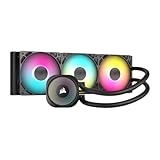


Ready to decide? Our #1 pick for 2026 is the Pump / cold plate.
Live price & availability on Amazon.