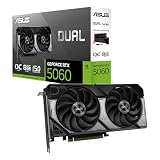
- Top Pick: ASUS ROG Astral NVIDIA GeForce RTX 5090 32GB GDDR7 OC Edition Gaming Graphics Card (PCIe 5.0, HDMI/DP 2.1, 3.8-Slot, 4-Fan Design, Axial-tech Fans, Patented Vapor Chamber), 3 Year Warranty
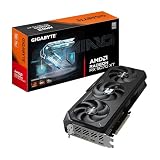
- Best Value: GIGABYTE GeForce RTX 5090 WINDFORCE OC 32G Graphics Card, WINDFORCE Cooling System, 32GB 512-bit GDDR7, GV-N5090WF3OC-32GD Video Card
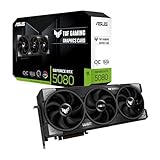
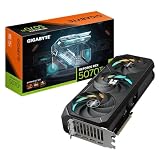
- Premium Choice: GIGABYTE AORUS GeForce RTX 5090 Stealth ICE 32G Graphics Card, 32GB 512-bit GDDR7, PCIe 5.0, WINDFORCE Cooling System, Versatile VGA Holder, GV-N5090AORUSST ICE-32GDVideo Card
The GeForce RTX 5090 is Nvidia’s no-compromises flagship, built on the Blackwell architecture with 32GB of GDDR7 on a 512-bit bus. It exists for one purpose: to run anything at maximum settings, whether that’s 4K gaming at high refresh, heavy content creation, or local AI workloads. This review looks at the card as a category, using leading partner designs like the ASUS ROG Astral and GIGABYTE AORUS variants to gauge what real-world ownership looks like.
Rather than dwell on synthetic numbers alone, the focus here is on how the 5090 behaves in a real system: its thermals, its physical footprint, and whether the premium is justified for your workload. Partner cards differ mainly in cooling and acoustics, and those differences matter at this power level.
As an Amazon Associate we earn from qualifying purchases at no extra cost to you. Product prices and availability are accurate as of the date shown and are subject to change.


🎮 Get More From Your Setup — Free
Prime Gaming gives you free PC games every month, in-game loot, and a free Twitch channel sub — plus fast free shipping on all the gear above. New members get a 30-day free trial.
Watch: Nvidia Rtx 5090 Review: Review & Buyer’s Guide — Video Review
Design & Build
These are enormous cards. The ASUS ROG Astral RTX 5090 uses a 3.8-slot, four-fan cooler with a patented vapor chamber, and the GIGABYTE WINDFORCE and AORUS Master ICE designs are similarly imposing triple-fan units. Build quality is exemplary across the board, with reinforced frames and premium materials, but you must verify case clearance and plan for a robust power supply and anti-sag support before buying.
Performance
The RTX 5090 is comfortably the fastest consumer GPU available. With 32GB of GDDR7 and DLSS 4, it delivers effortless 4K gaming at high frame rates and chews through rendering, video, and AI inference. The AORUS Master ICE and ROG Astral push slightly higher sustained clocks thanks to their oversized coolers, while the unusual AORUS AI Box external-GPU option brings that power to Thunderbolt 5 laptops. Real-world scaling depends heavily on CPU and cooling, so pair it accordingly.
Pros & Cons
- Class-leading performance at 4K and in creator/AI workloads with no real rival.
- Massive 32GB GDDR7 buffer that future-proofs memory-heavy tasks.
- Excellent partner cooling keeps temperatures and noise in check under load.
- DLSS 4 support extends the performance lead in supported titles.
- Very high price that only makes sense for demanding users.
- Enormous physical size and high power draw require case and PSU planning.
Alternatives to Consider
If the 5090’s cost or size is impractical, the RTX 5080 delivers most of the gaming experience for far less, and the 5070 Ti is a strong high-refresh 1440p option. The 5090 only makes sense when you genuinely need its memory and compute, such as 4K-max gaming combined with professional or AI work.
Frequently Asked Questions
What power supply does the RTX 5090 need?
Plan for a high-wattage, quality unit with the correct 12V-2×6 connector. Nvidia and partners recommend generous headroom given the card’s peak draw.
Will it fit in my case?
Check length and slot clearance carefully. Cards like the ROG Astral are 3.8 slots wide, so mid-towers may not accommodate them.
Is the 5090 overkill for 1440p?
For pure 1440p gaming, yes. It shines at 4K, ultra-wide, and in creator or AI workloads where its memory and compute are fully used.
Which partner card should I choose?
Pick based on cooling and case fit. The AORUS Master ICE and ROG Astral prioritize low temps and noise, while WINDFORCE models are slightly more compact and value-oriented.
Verdict
The RTX 5090 is the definitive halo GPU: unmatched performance, a huge memory buffer, and superb partner cooling from the ROG Astral and AORUS designs. It’s expensive and physically demanding, but for 4K enthusiasts and creators who need the absolute best, nothing else comes close.