A quality streaming microphone is one of the biggest upgrades you can make to your content — viewers forgive mediocre video long before they forgive bad audio. By 2026, USB mics offer plug-and-play ease while XLR setups deliver studio quality. Here are the best microphones for streaming and content creation.
- Best Streaming Microphones of 2026
- Microphone Comparison Table
- Best Overall: Shure MV7
- Best for Gaming: HyperX QuadCast S
- Best for Streaming Software: Elgato Wave:3
- USB vs XLR Microphones
- Streaming Microphone Buying Considerations for 2026
- Matching a Microphone to Your Content
- Dynamic vs Condenser for Streaming
- Frequently Asked Questions
- Related Articles
🛒 Best Price Today on Amazon
Prime members get fast, free shipping on everything above, plus member-only deals. New members get a 30-day free trial — cancel anytime.
As an Amazon Associate we earn from qualifying purchases at no extra cost to you.





Best Streaming Microphones of 2026
Microphone Comparison Table
| Microphone | Connection | Pattern | Best For | Price |
|---|---|---|---|---|
| Shure MV7 | USB + XLR | Cardioid | Pro streaming | ~$249 |
| HyperX QuadCast S | USB | Multi-pattern | Gaming | ~$159 |
| Elgato Wave:3 | USB | Cardioid | Streaming | ~$149 |
| Blue Yeti | USB | Multi-pattern | Versatile | ~$99 |
Best Overall: Shure MV7
The Shure MV7 is a dynamic mic with both USB and XLR outputs, giving you plug-and-play simplicity now and an upgrade path to an audio interface later. Its dynamic capsule shrugs off background noise beautifully, which makes it ideal for untreated rooms. That broadcast-quality voice is exactly why pro streamers and podcasters keep reaching for it. Inspired by Shure’s legendary SM7B, the MV7 adds a built-in headphone jack for real-time monitoring and companion software that helps position your voice and set tone, so beginners get pro results without a mixing board.
Best for Gaming: HyperX QuadCast S
The QuadCast S blends great sound with gamer-friendly extras: a built-in shock mount, tap-to-mute, a gain dial, and customizable RGB. Its multiple polar patterns cover solo streaming, interviews, and more. It’s an excellent all-in-one USB mic that looks as good on camera as it sounds. The tap-to-mute sensor on top gives instant, silent muting mid-stream, and the internal pop filter and anti-vibration mount mean you can drop it on a desk and sound clean without buying extra accessories.
Best for Streaming Software: Elgato Wave:3
The Elgato Wave:3 pairs crystal-clear audio with Wave Link software for advanced mixing across multiple audio sources — perfect for streamers juggling game, chat, and music. The capacitive mute and tight integration with the Elgato ecosystem have made it a streamer favorite. Wave Link lets you create separate mixes for your stream and your headphones, and the mic’s Clipguard technology prevents distortion even when you get loud during an intense moment, a common problem on cheaper condensers.
USB vs XLR Microphones
- USB mics: Plug-and-play, no extra gear, ideal for beginners and most streamers
- XLR mics: Require an audio interface or mixer, but offer higher ceiling and flexibility
- Hybrid mics: The Shure MV7 offers both, letting you start USB and upgrade later
Pair your mic with a quality streaming webcam for a complete content setup.
Streaming Microphone Buying Considerations for 2026
Picking the right streaming microphone comes down to a handful of factors beyond brand. Capsule type is first: dynamic mics reject room noise and suit noisy or untreated spaces, while condenser mics capture more detail but demand a quiet room. Polar pattern matters too — cardioid picks up sound from the front and is ideal for solo streaming, while multi-pattern mics add flexibility for interviews or group recordings. Don’t overlook accessories: a boom arm, pop filter, and shock mount transform any mic’s real-world sound by controlling plosives, keeping the mic close, and isolating desk vibration. Finally, a headphone monitoring jack lets you hear yourself in real time, which is invaluable for catching problems before your audience does.
Room Treatment vs Microphone Choice
The mic is only half the equation — your room shapes the result just as much. In an echoey, hard-surfaced space, a dynamic mic like the Shure MV7 will always sound cleaner than a sensitive condenser, because it hears less of the room. If you have a quiet, soft-furnished space or add simple acoustic panels, a condenser such as the Blue Yeti rewards you with richer detail. Match the capsule to your environment rather than chasing specs alone.
Matching a Microphone to Your Content
Your content type points to the right pick. Pure gaming streamers in a typical bedroom get the cleanest voice from the noise-rejecting Shure MV7 or the plug-and-play HyperX QuadCast S. Streamers running complex audio setups with music, alerts, and chat benefit most from the Elgato Wave:3 and its Wave Link mixing. Podcasters and creators planning to grow into a studio should start with the hybrid MV7, since its XLR output lets you add an interface without buying a new mic. Casual variety streamers on a budget are well served by the versatile, multi-pattern Blue Yeti.
Dynamic vs Condenser for Streaming
Dynamic microphones like the Shure MV7 reject background noise and room echo, which makes them ideal for untreated gaming rooms. Condenser microphones like the Blue Yeti capture more detail and sensitivity, but they also pull in more ambient noise. For most streamers in a typical bedroom or office, a dynamic mic gives the cleaner result.
Frequently Asked Questions
Should I choose a USB or XLR microphone for streaming?
USB microphones plug directly into your PC, are simple to set up, and sound great for most streamers, making them ideal for beginners. XLR microphones need an audio interface or mixer but offer higher-end sound quality and upgrade flexibility for serious creators. Start with a quality USB mic; move to XLR only when you want a more advanced, expandable audio setup.
What is the difference between condenser and dynamic microphones?
Condenser mics are sensitive and capture detail well but also pick up room noise, keyboard clatter, and echo, so they suit treated quiet spaces. Dynamic mics reject background noise and focus on close sound, making them ideal for untreated rooms and noisy setups. Most streamers in typical home environments get cleaner results with a dynamic mic positioned close to the mouth.
What pickup pattern is best for solo streaming?
A cardioid pickup pattern captures sound from the front while rejecting the sides and rear, perfect for a solo streamer talking into the mic. Avoid omnidirectional patterns for solo use since they grab room noise. Some USB mics offer multiple patterns for interviews or group recording, but for standard single-person streaming, cardioid is the pattern you want for the cleanest voice.
Do I need a boom arm and pop filter?
A boom arm mounts the mic off your desk, lets you position it close to your mouth, and keeps desk thumps from transmitting, greatly improving sound and freeing space. A pop filter reduces harsh plosive bursts from P and B sounds. Both are inexpensive, highly recommended accessories that make a bigger difference to perceived audio quality than many people expect.
How do I reduce background noise on my microphone stream?
Start with a dynamic mic placed close to your mouth to naturally reject noise. Add software noise suppression, available in OBS or tools like RTX Voice, to clean up fans and keyboard sounds. Position the mic on a boom arm away from noisy PC fans, and consider basic room treatment. Combining a good dynamic mic and software filtering yields professional, clean audio.
Ready to decide? Our #1 pick for 2026 is the Shure MV7.
Live price & availability on Amazon.
Top picks from this guide
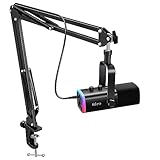
 FIFINEFIFINE AmpliGame AM8T XLR/USB Gaming Microphone Set, Dynamic PC Mic…$58 \xc2\xb7 98/100
 FIFINEFIFINE AmpliGame AM8 USB/XLR Dynamic Microphone for Gaming Streaming |…$57 \xc2\xb7 96/100
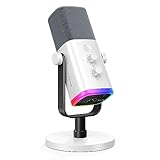
 MAONOMAONO PD200W Hybrid Wireless Podcast Microphone for PC, Dynamic XLR…$90 \xc2\xb7 96/100
 FIFINEFIFINE AmpliTank K688 Dynamic Microphone, XLR/USB Podcast Recording PC Mic…$68 \xc2\xb7 95/100