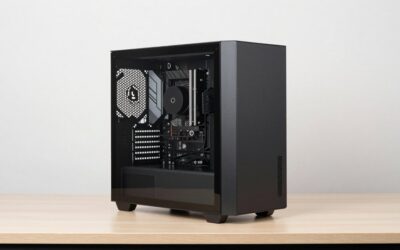
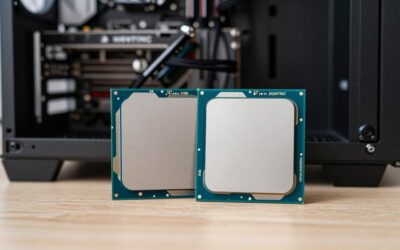
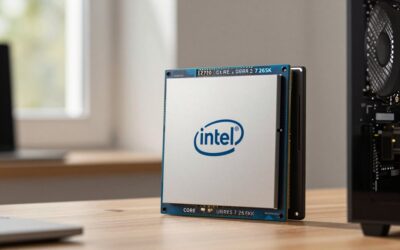
If your processor constantly pegs at 100 percent, games stutter and multitasking crawls, which is usually a sign you need more cores and threads. Upgrading to a chip that keeps CPU usage in a healthy range is the most effective fix. This roundup covers the best CPUs to stop high CPU usage and keep your system responsive under pressure.
As an Amazon Associate I earn from qualifying purchases.
As an Amazon Associate we earn from qualifying purchases at no extra cost to you.


🛒 Best Price Today on Amazon
Prime members get fast, free shipping on everything above, plus member-only deals. New members get a 30-day free trial — cancel anytime.
Why High CPU Usage Happens and How the Right CPU Helps
High CPU usage occurs when your workload demands more processing power than your chip can comfortably deliver, forcing it to run at full throttle. Older or low-core processors hit this ceiling quickly when gaming while streaming, editing video, or juggling browser tabs. Moving to a processor with more cores and threads spreads the load, so no single core stays maxed out. The best CPUs to reduce high usage combine strong single-thread speed with generous core counts. If you are unsure whether your chip is the bottleneck, our bottleneck diagnosis guide helps you confirm before buying.
| Product | Best For | Standout Feature | Rating |
|---|---|---|---|
| AMD Ryzen 7 7800X3D | Gaming without stutter | 3D V-Cache eases game CPU load | 4.9/5 |
| Intel Core i5-14600K | Balanced multitasking | Fourteen cores handle mixed loads | 4.7/5 |
| AMD Ryzen 9 7900X | Streaming and editing | Twelve cores reduce usage spikes | 4.7/5 |
| Intel Core i7-14700K | Heavy productivity | Twenty cores for demanding tasks | 4.8/5 |
| AMD Ryzen 5 7600 | Value upgrades | Six fast cores at low cost | 4.6/5 |
Ryzen 7 7800X3D: Best CPU to Fix High Gaming Usage
Games that hammer your processor and cause stutter benefit enormously from the Ryzen 7 7800X3D. Its 3D V-Cache stores more game data close to the cores, dramatically reducing the workload that would otherwise spike CPU usage in simulation and open-world titles. The result is smoother frame times and lower core utilization during play. For gamers whose current chip sits at 100 percent mid-battle, this is the definitive upgrade. Pair it with a quality cooler from our cooling guide to keep clocks high.
Core i7-14700K and Ryzen 9 7900X: Best CPUs for Heavy Multitasking
When high CPU usage comes from running many demanding programs at once, raw core count is the answer. The Intel Core i7-14700K offers twenty cores that absorb encoding, compiling, and background tasks without maxing out. The AMD Ryzen 9 7900X counters with twelve powerful cores well suited to streaming while gaming. Both keep utilization comfortable under loads that would cripple a quad-core chip. Content creators should read our creator workstation guide for matching memory and storage recommendations.
Core i5-14600K: Best Mid-Range CPU to Lower Usage
For most users, the Intel Core i5-14600K strikes an ideal balance. Its fourteen cores handle gaming, streaming, and everyday multitasking with plenty of headroom, keeping CPU usage well below the ceiling that causes stutter. It delivers strong single-thread performance for games and enough threads for productivity, all at a sensible price. This makes it a superb upgrade for anyone escaping an aging dual or quad-core chip. Confirm board compatibility with our motherboard selection guide before purchasing.
Ryzen 5 7600: Best Budget CPU to Reduce High Usage
You do not need to spend big to solve high CPU usage. The Ryzen 5 7600 provides six modern cores and twelve threads that comfortably manage gaming and light multitasking, a huge leap over older budget chips. It runs efficiently and keeps utilization in check for mainstream workloads. As an affordable entry into a current platform, it also leaves room to upgrade later. Our value build guide shows how to pair it with the rest of an efficient system.
How to Choose a CPU That Prevents High Usage
Match the chip to your workload. Gamers battling stutter should prioritize cache and single-thread speed, making the 7800X3D ideal. Streamers and creators need more cores, favoring the 7900X or 14700K. Everyday multitaskers do well with the 14600K, while budget users can rely on the 7600. Also ensure your RAM and storage are not the real bottleneck, since slow components can mimic CPU strain. For a full diagnosis, revisit our performance troubleshooting guide.
Frequently Asked Questions
Why is my CPU usage always at 100 percent?
Constant 100 percent usage usually means your processor lacks the cores or speed for your workload, or a background process is consuming resources. Check Task Manager for demanding programs, scan for malware, and consider upgrading to a chip with more cores if heavy multitasking or modern games routinely max out your current CPU.
Will more cores reduce high CPU usage?
Yes, adding cores spreads your workload across more processing units, so no single core stays pinned at maximum. This is especially effective for multitasking, streaming, and content creation. For gaming stutter caused by CPU load, a chip with large cache like AMD’s X3D models can be even more impactful than raw core count alone.
Can high CPU usage damage my processor?
Running at 100 percent usage does not directly damage a healthy CPU, since chips are designed to operate at full load. The real risk is heat if cooling is inadequate. As long as temperatures stay within safe limits, sustained high usage is fine, though it may make your system feel sluggish and unresponsive.
Is high CPU usage a sign I need a new CPU?
Not always. First rule out background processes, malware, and insufficient RAM, which can all cause high usage. If your CPU consistently maxes out during normal gaming or work despite a clean system, then upgrading to a processor with more cores and stronger performance is the most reliable long-term solution.