Is a cpu cooler worth it in 2026 when your computer already works? Yes, if thermal throttling reduces steady performance, distracting fan noise interrupts gaming, or your CPU lacks a bundled cooler. Otherwise, upgrading may change little. The worthwhile buy addresses an identifiable limitation instead of chasing lower temperatures.
Quick answer: Our top pick in 2026 is the Noctua NH-D15 G2 — our #1 rated choice. See the full ranked comparison, alternatives and buying advice below.
How to Choose a CPU Cooler
This review answers is a cpu cooler worth it in 2026 through workload, clearance, acoustics, and ownership costs. Four recommendations address different builds rather than promising universal performance gains. Desktop CPUs require installed cooling; replacing an adequate cooler remains optional, even during a broader system upgrade.
Match Cooling Capacity to Your Workload
Cooling demand follows steady CPU power, rather than the marketing tier printed on its packaging. Video encoding and software compilation can produce different thermal demands from gaming. Observe temperatures, steady frequencies, and throttling indicators during typical workloads before deciding whether greater capacity matters.
A CPU approaching its thermal ceiling during lengthy exports presents a stronger upgrade case than brief temperature spikes. Increased capacity brings expense and mounting demands, especially with radiators. Consider the Thermalright Phantom Spirit 120 SE for gaming, or the ARCTIC Liquid Freezer III 360 for steady, demanding workloads.
Check Case, Memory, and Socket Clearance
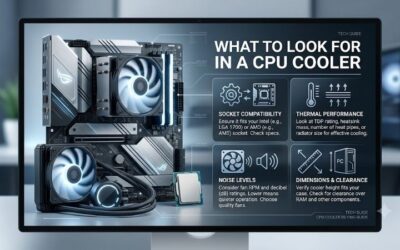
Basic compatibility includes socket mounting, board obstructions, memory clearance, and available chassis space. Radiator support labels describe nominal size rather than guaranteeing clearance around nearby parts. Compare listed dimensions against your case’s drawings before ordering; discovering interference afterward can require expensive changes.
Space shapes is a cpu cooler worth it in 2026 because cooling cannot compensate for incompatible dimensions. Low-profile designs sacrifice heatsink volume to fit shallow cases. The Noctua NH-L12S reaches 70 mm with its fan underneath, making it a practical choice when board compatibility permits and tower clearance is unavailable.
Identify the Noise You Want to Reduce
Noise comfort depends on everyday operating conditions, rather than maximum-speed specifications alone. Listen during typical games and extended workloads before identifying the noisy component. GPU fans, restrictive intake panels, and aggressive case fan settings can dominate system noise; replacing CPU cooling alone may leave those sources unchanged.
Air cooling eliminates pump acoustics, while liquid cooling relocates the main heat exchanger and introduces another operating component. Neither guarantees silence across different workloads. For spacious builds prioritizing simple air cooling over compactness, consider the Noctua NH-D15 G2, provided its large dimensions suit the nearby hardware.
Compare Cost With the Benefit You Need
Calculate ownership value using purchase cost, mounting needs, and repair complexity. Additional brackets, case changes, or incompatible memory can undermine an attractive deal. Keeping satisfactory existing cooling preserves budget for improvements elsewhere. Higher spending becomes reasonable when it addresses measured noise or steady heat limits.
Frame is a cpu cooler worth it in 2026 around a specific benefit, rather than assumed gaming gains. Without thermal throttling, extra capacity may primarily improve noise comfort. For buyers seeking a simple upgrade within their existing case, choose the Thermalright Phantom Spirit 120 SE when memory clearance and mounting compatibility permit.
Top Picks
The answer to is a cpu cooler worth it in 2026 depends on the limitation being addressed. These selections cover premium air cooling, economical tower cooling, steady workloads, and shallow cases. Their assigned roles reflect design and fit considerations, rather than an invented benchmark ranking or claims of firsthand comparative testing.
| Product | Best For | Key Spec | Watch Out For |
|---|---|---|---|
| Noctua NH-D15 G2 | Best Overall: Spacious premium air builds | 168 mm total height | Large footprint and case clearance |
| Thermalright Phantom Spirit 120 SE | Best Value: Cost-conscious tower upgrades | 154 mm heatsink height | Front-fan clearance above tall RAM |
| ARCTIC Liquid Freezer III 360 | Best For: Sustained CPU-heavy workloads | 398 × 120 × 38 mm radiator, excluding fans | Radiator thickness and pump dependence |
| Noctua NH-L12S | Best For: Compact builds | 70 mm height with fan underneath | Limited thermal headroom and board clearance |
Noctua NH-D15 G2: Best Overall
The Noctua NH-D15 G2 earns the best overall recommendation here for spacious builds prioritizing premium air cooling and simple servicing. Noctua specifications list a 168 mm total height. Its large tower format provides a pump-free solution, but case clearance should be confirmed before buying rather than inferred from case size.
The main advantage is service simplicity: replacing a defective fan does not require replacing a liquid circuit or pump assembly. Its main drawback is physical bulk around nearby components. Choose this model when space and ownership priorities justify premium hardware; budget-focused gaming builds should consider the smaller value recommendation.
Thermalright Phantom Spirit 120 SE: Best Value
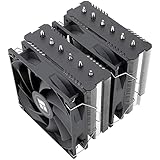
The Thermalright Phantom Spirit 120 SE fills the best value role for buyers seeking dual-tower construction without adopting liquid cooling. Thermalright specifies a 154 mm heatsink height. That dimension provides a useful starting measurement, though installed fan position and memory interference still determine clearance inside your case.
For gamers asking is a cpu cooler worth it in 2026, this tower merits consideration when basic cooling becomes distracting. Dual-tower construction is the attraction; component clearance is the compromise. Raising the front fan above tall memory increases installed height, so confirm the final arrangement before assuming the listed dimension guarantees fit.
ARCTIC Liquid Freezer III 360: Best for Sustained Workloads
The ARCTIC Liquid Freezer III 360 is the best for steady CPU-heavy workloads when radiator clearance is generous. Its radiator measures 398 by 120 by 38 mm before adding fans. Separating the heat exchanger from the CPU socket creates mounting flexibility, although a nominal 360 mm mounting position does not establish sufficient nearby clearance.
Its advantage is large radiator area suited to steady heat dissipation; the drawbacks include demanding clearance and extra pump dependence. Light gaming without heat limits provides less justification. Consult ARCTIC’s mounting documentation before buying, especially when board heatsinks or memory approach the case’s upper mounting position.
Noctua NH-L12S: Best for Compact Builds
The Noctua NH-L12S earns the best for compact builds recommendation when CPU and motherboard compatibility checks pass. With its fan underneath the fins, total height reaches 70 mm. That configuration accommodates shallow cases where standard towers cannot fit, although the heatsink footprint still requires adequate clearance around nearby components.
Its compromise is limited thermal headroom compared with larger designs intended for unrestricted, demanding CPUs. Buy it to fit case height rather than maximize steady power. Check compatibility in the intended fan arrangement and select CPU settings suitable for the completed compact system, especially during prolonged productivity workloads.
Frequently Asked Questions
When evaluating is a cpu cooler worth it in 2026, compare equivalent workloads before and after mounting. Keep room conditions, CPU settings, and test duration consistent wherever possible. Assess steady frequency, audible noise, and thermal-limit indicators together; a temperature decrease alone does not establish meaningful performance or ownership value.
Will a Better CPU Cooler Increase Gaming FPS?
No, upgrading CPU cooling does not automatically increase gaming frame rates. Gains depend on whether heat limits previously reduced CPU frequency during the actual game. GPU-limited workloads may change little. Monitor steady clocks alongside frame rates and throttling indicators before attributing disappointing performance to inadequate cooling.
The answer to is a cpu cooler worth it in 2026 can remain yes without extra FPS when noise comfort improves. Reduced fan distraction during gaming or calls provides a separate benefit. Establish your success criterion before buying, distinguishing quieter operation from steady processing speed so that the upgrade receives a fair assessment afterward.
Can I Keep Using the Stock Cooler?
Yes, retaining a compatible stock cooler makes sense when steady performance and noise comfort already meet your needs. Bundled hardware is not automatically inadequate. Evaluate normal workloads inside your actual case, because satisfactory idle temperatures provide little evidence about behavior during extended gaming sessions or prolonged CPU-heavy tasks.
An upgrade becomes sensible when typical workloads expose a measurable limitation. Avoid comparing temperatures directly across different CPUs, rooms, or power settings. Before buying, inspect dust accumulation and fan-control behavior; cleaning or adjusting an aggressive curve may resolve distracting noise without requiring new hardware.
Do Gaming PCs Need Liquid Cooling?
No, liquid cooling is not mandatory for every gaming computer. Compatible air cooling can provide the better ownership balance when available clearance and workload demands align. Radiators become worthwhile when steady thermal needs justify their mounting footprint, rather than simply because the CPU belongs to an expensive product family.
Liquid systems require radiator clearance, sensible tube routing, and a repair plan if the pump fails. Those demands deserve consideration alongside thermal capacity. Select air cooling for simpler servicing, or choose the ARCTIC model when its radiator arrangement suits your steady workload and case better than a standard tower mounting.
Can I Reuse a Cooler After a CPU Upgrade?
No, compatibility with one motherboard does not guarantee compatibility after a platform upgrade. Socket hardware, board obstructions, and case dimensions can change independently. Verify the exact new platform before transferring cooling equipment; a usable heatsink still requires suitable mounting hardware and sufficient clearance around nearby parts.
Before transferring hardware, shut down and unplug the PC, follow removal instructions, and renew thermal compound as directed. Never operate the CPU without installed cooling. Check whether the maker supplies compatible new mounting hardware; retaining an effective air cooler can preserve upgrade budget when the new platform accommodates its dimensions.
Final Thoughts
So, is a cpu cooler worth it in 2026? Upgrade for missing cooling, heat limits, or distracting noise. Choose Phantom Spirit for value, NH-D15 G2 for spacious premium air builds, Liquid Freezer III 360 for steady workloads, or NH-L12S for restricted height. Keep satisfactory existing cooling when another component offers a clearer everyday improvement.
Ready to decide? Our #1 pick for 2026 is the Noctua NH-D15 G2.
Live price & availability on Amazon.