Social VR is about people, not pixels, but the display still decides how present those people feel. A sharp micro-OLED panel makes an avatar’s face readable, a shared space feel solid, and a virtual hangout feel less like a video call and more like a room. The best micro-OLED VR headsets for social VR combine that image quality with the things social sessions need most: expressive eye and hand tracking, comfortable fits for long conversations, clear spatial audio, and easy ways to join friends without a complicated setup.
Social VR also has its own practical demands. Sessions run long, so weight and balance matter. Avatars depend on tracking, so eye tracking and facial expression capture change how natural conversations feel. And most social platforms are standalone-first, so a headset that works without a PC lowers the barrier for everyone in the group. The three headsets below cover the main routes into social VR with micro-OLED clarity.
How to Choose the Best Micro-OLED VR Headsets for Social VR
Eye tracking and facial expression
In social VR, eyes carry the conversation. Headsets with eye tracking let an avatar hold gaze, blink, and react naturally, which makes other people feel present instead of looking through a mask. Facial tracking adds expressions on top, so smiles and reactions read clearly. If social presence is the priority, treat eye tracking as a core feature rather than an extra.
Hand tracking and controllers
Hand tracking lets people gesture, wave, and use natural body language without holding controllers, which suits casual hangouts and meetings. Controllers remain better for games and activities that need precise input, such as virtual sports or creative tools. Check whether the headset includes controllers, whether hand tracking is supported in the social apps planned, and whether both can be used together.
Comfort for long sessions
Social sessions stretch for hours, and a heavy headset ends conversations early. Headsets under 200 grams are easy to wear for a long evening, while headsets over 500 grams need a well-balanced strap and regular breaks. A tethered battery shifts weight off the face, and a breathable facial interface keeps long sessions comfortable.
Standalone ease and platform support
Most social VR platforms run best on standalone headsets, where joining a room is as simple as putting the headset on. Confirm that the social apps planned are available on the headset’s platform, whether friends need the same headset or can join across platforms, and whether a PC or phone is needed for setup. Cross-platform support matters when a group uses different hardware.
Passthrough and mixed reality
Mixed reality passthrough lets social VR blend with the real room, so a virtual hangout can share space with a real desk, couch, or coffee. High-quality color passthrough makes that blend convincing, and it also makes long sessions safer and more comfortable, since the real environment stays visible when needed.
Audio and microphones
Spatial audio places voices in the room, so a friend on the left sounds like they are on the left. Built-in speakers keep the setup simple, while microphone quality decides how clearly others hear the wearer. For regular social use, check that the headset’s audio and microphones suit group conversation without extra accessories.
Our Picks
1. Samsung Galaxy XR

Samsung Galaxy XR is the most social-ready micro-OLED headset in this guide. Its two micro-OLED panels deliver 3552 by 3840 pixels per eye, with eye tracking and hand tracking built in, and the Android XR platform supports social and communication apps with Gemini features woven through the interface. The headset runs standalone on a Snapdragon XR2+ Gen 2 processor with 16GB of memory and 256GB of storage, so joining a virtual room needs no PC.
Mixed reality passthrough is a strong point here: color cameras blend virtual people and spaces with the real room, which suits casual hangouts and shared viewing. The 545-gram headset uses a tethered battery to keep weight balanced, and controllers are an optional add-on for social games that need them.
Who it suits: Social VR users who want a standalone headset with expressive tracking, strong passthrough, and Android XR apps.
View the Samsung Galaxy XR on Amazon
2. Apple Vision Pro

Apple Vision Pro brings micro-OLED clarity and precise tracking to social and spatial communication. Its display system holds 23 million pixels across two micro-OLED panels, and its eye tracking, hand tracking, and Persona avatars are designed to make remote conversations feel face to face. The M2 and R1 chips handle computing and sensor input together, keeping tracking responsive during calls and shared experiences.
Vision Pro suits social use centered on Apple services: spatial video calls, shared media viewing, and virtual workspaces with Mac Virtual Display. Its ecosystem is more closed than Android XR or SteamVR, so the social apps available depend on visionOS support, but within that ecosystem the experience is polished and the avatars are among the most lifelike available.
Who it suits: Apple users who want lifelike avatars and polished spatial communication with friends and colleagues.
View the Apple Vision Pro on Amazon
3. Pimax Dream Air Lighthouse Edition

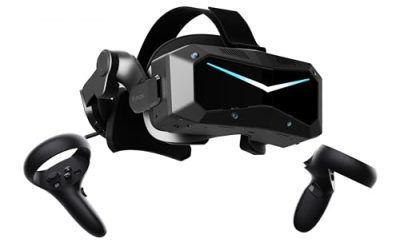
The Pimax Dream Air is the specialist pick for social VR on PC, where platforms like VRChat have their deepest communities. Its dual Sony micro-OLED panels deliver 3840 by 3552 pixels per eye, with 120 Hz eye tracking and a headset that weighs under 170 grams, so avatars stay sharp and sessions stay comfortable for hours. The Lighthouse Edition tracks with SteamVR base stations for precise head and body pose.
This is a PC-tethered headset with no standalone mode and no included controllers, so it suits buyers who already have a SteamVR setup and spend their social time in PC VR worlds. Its lightness and resolution make it the most comfortable way to spend a long evening in a virtual world, provided the PC and tracking hardware are already in place.
Who it suits: PC VR social users who spend long evenings in virtual worlds and want the sharpest avatars with the lightest headset.
View the Pimax Dream Air on Amazon
Comparison Table
| Product | Key Spec | Best For |
|---|---|---|
| Samsung Galaxy XR | Micro-OLED, 3552 by 3840 per eye, Android XR | Standalone social VR with strong passthrough |
| Apple Vision Pro | Micro-OLED, 23 million pixels, eye and hand tracking | Lifelike avatars and Apple spatial communication |
| Pimax Dream Air | Sony micro-OLED, 3840 by 3552 per eye, under 170 g | Long PC VR social sessions with sharp avatars |
Frequently Asked Questions
Why does eye tracking matter in social VR?
Eye tracking lets an avatar look at people, blink, and react with natural gaze, which is a large part of how presence feels in a conversation. Without it, avatars gaze blankly, and conversations feel flat. Headsets with eye tracking make social VR feel more like sharing a room with real people.
Can I use social VR without controllers?
Yes, on headsets with hand tracking. Vision Pro and Galaxy XR both support hand tracking for gestures and interaction, which suits casual hangouts and meetings. Controllers remain useful for social games and creative tools that need buttons and precise input, so the best setup often combines both.
Do all my friends need the same headset for social VR?
No. Most major social VR platforms support cross-platform play, so friends on different headsets can meet in the same virtual room. Check the platform’s supported devices before buying, since some apps are limited to one ecosystem, and confirm that the headset runs the apps the group already uses.
How long can I comfortably spend in social VR?
It depends on the headset’s weight and fit. The Dream Air, at under 170 grams, is built for long sessions, while heavier standalone headsets benefit from a balanced strap and breaks. Standalone battery life also sets a practical limit of around two hours of general use, so plan charging or a tethered power connection for longer hangouts.
Conclusion
The best micro-OLED VR headsets for social VR make virtual people feel present: sharp avatars, expressive eye tracking, and comfort that lasts through long conversations. Samsung Galaxy XR leads for standalone social VR with its strong passthrough and Android XR apps, Apple Vision Pro delivers the most lifelike avatars for Apple users, and the Pimax Dream Air is the lightest way to spend a long evening in PC VR worlds. Choose the headset that matches where friends already gather, and let the micro-OLED display make those gatherings feel real.
Disclosure: As an Amazon Associate, we may earn from qualifying purchases.