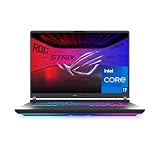
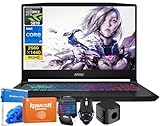
- Top Pick: PCONLINE msi Vector 16 5070 Ti Gaming AI Laptop, Intel Core Ultra 7 255HX, Geforce RTX 5070Ti, 16" FHD+ IPS-Level, 32GB DDR5, 1TB SSD, 24 Zone RGB Keyboard, HDMI, Copilot, IR Camera, Win 11 Home
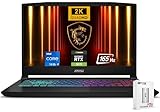
- Best Value: msi Cyborg 15.6" AI Gaming Laptop, NVIDIA GeForce RTX 5070, Intel 10-Core 7-240H Series 2(Upto 5.2GHz, >i7-13620H), 144Hz FHD IPS, 16GB DDR5, 1TB SSD, Backlit KB, Wi-Fi 6E, Win 11 Home, w/Res Cooler
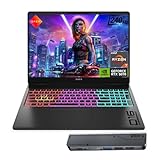
- Premium Choice: HP OMEN Slim RTX 5070 Gaming Laptop, 16" WQXGA 240Hz, Intel Core Ultra 9 285H (Beats Intel i9-14900), 64GB DDR5 RAM, 2TB SSD, RGB Backlit KB, Bundle with PCO Laptop Cooler, Black, Windows 11 Pro
Choosing between an RTX 5070 and an RTX 5070 Ti laptop is one of the trickiest decisions in the 2026 gaming notebook market. On paper the names are almost identical, but the gap in real-world frame rates, thermal behavior, and price can be significant. Both chips sit in the sweet spot for 1440p and high-refresh 1080p gaming, yet they target slightly different buyers.
This comparison breaks down how the two mobile GPUs actually perform, where each one makes sense, and which specific laptops are worth your money. We’ll reference real configurations from MSI, ASUS, HP, and Thunderobot so you can match the silicon to a machine you can actually buy.
As an Amazon Associate we earn from qualifying purchases at no extra cost to you. Product prices and availability are accurate as of the date shown and are subject to change.



🛒 Best Price Today on Amazon
Prime members get fast, free shipping on everything above, plus member-only deals. New members get a 30-day free trial — cancel anytime.
Quick Verdict
If you want the highest sustained frame rates and plan to keep the laptop for several years, the RTX 5070 Ti is the smarter long-term pick, especially for 1440p and ray tracing. If you mostly play competitive titles at 1080p or 1200p and want to save money, the standard RTX 5070 delivers nearly the same experience for less. The Ti’s advantage grows the more demanding your games are.
RTX 5070 Laptop
The vanilla RTX 5070 is the value champion of the Blackwell mobile lineup. Machines like the MSI Cyborg 15.6″ with its Intel 7-240H and the Thunderobot Storm 17 pair the GPU with fast DDR5 and roomy SSDs, giving you a capable 1080p rig that rarely stutters in modern titles. The HP OMEN Slim RTX 5070, with its Core Ultra 9 285H and 240Hz WQXGA panel, shows how far this tier can stretch when the rest of the system is premium.
Where the 5070 shines is efficiency. It runs cooler and quieter, which means thinner chassis and better battery life. DLSS 4 with Multi Frame Generation does a lot of heavy lifting here, letting the 5070 hit triple-digit frame rates in titles that would otherwise tax it. For most players buying a sub-$1,500 machine, this is the chip that offers the best experience per dollar.
The trade-off is headroom. At native 1440p with ray tracing maxed, the 5070 leans hard on upscaling, and you’ll occasionally dial settings back to keep frames smooth. It’s a great “play now” GPU rather than a maximum-longevity one.
RTX 5070 Ti Laptop
The RTX 5070 Ti adds more CUDA cores, more memory bandwidth, and typically a higher power ceiling. In the MSI Vector 16 with its Core Ultra 7 255HX and the ASUS ROG Strix G16 with a Ryzen 9 8940HX, that extra muscle translates into meaningfully higher frame rates at 1440p and stronger ray-tracing performance. The HP Omen MAX RTX 5070 config with its HyperX-tuned cooling is built specifically to feed a hungrier GPU.
These laptops are usually larger and heavier because a beefier cooling solution is required to sustain the Ti’s higher wattage. That’s the cost of the performance: more fan noise under load and a chunkier footprint. But the payoff is real, with roughly 15-25% more performance in GPU-bound scenarios depending on the power target each vendor sets.
The Ti is the choice if you game on an external 1440p or 4K monitor, do creative work like video editing, or simply want the most future-proof option. It also handles Multi Frame Generation with more base frames to work from, which produces cleaner results.
Head-to-Head: Which Should You Buy?
- For budget 1080p gamers: The RTX 5070 in the MSI Cyborg or Thunderobot Storm 17 gives you the best price-to-performance.
- For 1440p and ray tracing: The RTX 5070 Ti in the MSI Vector 16 or ASUS ROG Strix G16 is worth the premium.
- For thin-and-light portability: The efficient RTX 5070, like the HP OMEN Slim, keeps weight and noise down.
- For creators and multitaskers: The Ti’s extra cores and bandwidth speed up rendering and editing workloads.
- For longevity: The 5070 Ti holds up better against future AAA titles at higher settings.
Related Guides
- OLED 16 Inch Laptop (2026)
- Best 2 In 1 Laptop (2026 Guide)
- 128gb RAM Laptop (2026 Guide)
- Best OLED Gaming Laptop (2026)
- Thin Gaming Laptop (2026 Guide)
Frequently Asked Questions
How big is the real performance gap?
Expect roughly 15-25% higher frame rates from the 5070 Ti in GPU-limited games, with the gap widening at 1440p and with ray tracing enabled. In CPU-bound esports titles the difference shrinks considerably.
Does the 5070 Ti drain the battery faster?
Under gaming load, yes, because it draws more power. On battery both GPUs throttle down significantly, so unplugged gaming is limited either way. For general use, battery life is similar.
Is DLSS 4 available on both?
Yes. Both the RTX 5070 and 5070 Ti support DLSS 4 including Multi Frame Generation, though the Ti’s higher base frame rate produces slightly smoother generated frames.
Which is better for 1080p only?
At 1080p the standard RTX 5070 is plenty, and often CPU-limited before the GPU is stressed. Save your money unless you plan to upgrade to a higher-resolution display later.
Final Verdict
Both GPUs are excellent, but the decision comes down to resolution and budget. Pick the RTX 5070, as found in the MSI Cyborg or HP OMEN Slim, if you want maximum value at 1080p. Step up to the RTX 5070 Ti in the MSI Vector 16 or ASUS ROG Strix G16 if you game at 1440p, care about ray tracing, or want the longest usable life from your investment.