- Top Pick: GIGABYTE GeForce RTX 5070 Ti Gaming OC 16G Graphics Card, 16GB 256-bit GDDR7, PCIe 5.0, WINDFORCE Cooling System, GV-N507TGAMING OC-16GD Video Card
- Best Value: ZOTAC Gaming GeForce RTX 5070 Ti Solid SFF OC DLSS 4 16GB GDDR7 256-bit 28 Gbps PCIE 5.0 Gaming Graphics Card, IceStorm 2.0 Advanced Cooling, ZT-B50710J3-10A
- Premium Choice: BAKLUCK msi Gaming RTX 5070 TI 16G Shadow 3X OC Graphics Card (16GB GDDR7, 256-bit, Extreme Performance: 2497 MHz, DisplayPort x3 2.1a, HDMI 2.1b, NVIDIA Blackwell Architecture)
Picking between NVIDIA’s three top RTX 50-series tiers in 2026 is one of the bigger calls a PC gamer makes. The RTX 5090, RTX 5080, and RTX 5070 Ti each sit in their own performance band, and knowing exactly where the value lines cross matters a lot before you sink $1,000–$8,000 into a gaming PC.
Here’s a clean breakdown of all three: the specs, how they actually game at 1440p and 4K, the price-to-performance math, and a simple way to decide.
As an Amazon Associate we earn from qualifying purchases at no extra cost to you.


| GPU | VRAM | TDP | MSRP (GPU) | Prebuilt Range |
|---|---|---|---|---|
| RTX 5090 | 32GB GDDR7 | 575W | $1,999 | $4,999–$7,579 |
| RTX 5080 | 16GB GDDR7 | 360W | $999 | $2,999–$3,939 |
| RTX 5070 Ti | 16GB GDDR7 | 300W | $749 | $2,099–$2,614 |
🛒 Best Price Today on Amazon
Prime members get fast, free shipping on everything above, plus member-only deals. New members get a 30-day free trial — cancel anytime.
Start 30-Day Prime Free Trial →See Today’s Amazon DealsRaw Performance Comparison
At 4K Ultra Settings (No Upscaling)
Look at raw rasterization at 4K Ultra and the order is obvious: the RTX 5090 sits roughly 60–70% ahead of the RTX 5080, which in turn leads the RTX 5070 Ti by about 25–30%. Put real numbers on it in Cyberpunk 2077 at Ultra with RT Medium: the RTX 5090 averages ~110fps, the RTX 5080 ~68fps, the RTX 5070 Ti ~52fps. DLSS 4 Quality lifts all three well past those figures.
At 1440p High/Ultra Settings
Drop to 1440p and the gaps shrink, because resolution scaling kicks in and the CPU starts mattering more. In Cyberpunk 2077 at 1440p High, the RTX 5090 averages ~250fps, the RTX 5080 ~190fps, and the RTX 5070 Ti ~155fps. In a competitive title like Counter-Strike 2 at 1440p medium, all three blow past 400fps, at which point your CPU and monitor refresh are the real ceiling.
DLSS 4 Multi-Frame Generation: The Game Changer
DLSS 4 with Multi-Frame Generation (MFG) only runs on RTX 50-series cards and can stack effective frame rates by 2–4x where it’s supported. That reshapes the whole comparison: the RTX 5070 Ti with DLSS 4 Quality plus MFG (2x) puts up ~104fps at 4K in Cyberpunk 2077 — matching a raw RTX 5090. If you’ll lean on DLSS 4 a lot, the tiers basically close ranks.
Price-to-Performance Analysis
RTX 5070 Ti: Best GPU Value of the Trio
The RTX 5070 Ti gives you the best performance per dollar of the three. At $749 MSRP on its own, or roughly $2,100–$2,600 inside a prebuilt, it delivers 70% of RTX 5090 gaming for 40% of the prebuilt cost. If you’re aiming at 1440p/165Hz or 4K/60Hz, the RTX 5070 Ti is the call — at those resolutions there’s no performance hole that warrants the RTX 5080’s $1,000 premium.

ASUS Prime RTX 5070 Ti OC 16GB GDDR7 GPU, PCIe 5.0, HDMI 2.1b, 3X DP 2.1b, High FPS 4K Gaming, Creator PC, AI Creation, Video Editing, 3D Rendering, Streaming, Local AI, with GPU Holder




As an Amazon Associate we earn from qualifying purchases. Product prices and availability are accurate as of the date/time indicated.
RTX 5080: The High-End Sweet Spot
The RTX 5080 earns its price for anyone on a 4K/144Hz panel who wants to stay above 100fps at Ultra without leaning on Frame Generation. If your monitor caps at 1440p, it’s overkill — the RTX 5070 Ti already pushes 1440p past what any display can show. The RTX 5080 makes sense when: (a) you run a 4K/144Hz+ screen, (b) you want headroom for the next wave of GPU-hungry games, or (c) your creative work benefits from 16GB+ VRAM.

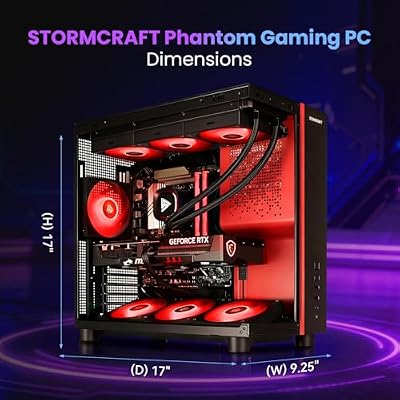
STORMCRAFT Phantom RTX 5080 Gaming PC Ryzen 7 9800X3D 32GB DDR5 2TB SSD | AMD Ryzen 7 5.2GHz,6000MHz RAM,B850 Chipset,850W PSU,360mm AIO,RGB Keyboard Mouse,WiFi BT HDMI AI Prebuilt Gaming Desktop




As an Amazon Associate we earn from qualifying purchases. Product prices and availability are accurate as of the date/time indicated.
RTX 5090: For Those Who Accept No Compromise
The RTX 5090 is a niche product for a specific buyer: someone on a 4K/240Hz display (rare and pricey), running pro GPU rendering that wants 32GB GDDR7, or someone whose only rule is “the best, cost be damned.” For gaming alone, it has the worst price-to-performance of the trio. Its 32GB GDDR7 framebuffer is the real practical edge — necessary for bleeding-edge AI inference and 8K texture modding that 16GB cards simply can’t touch.
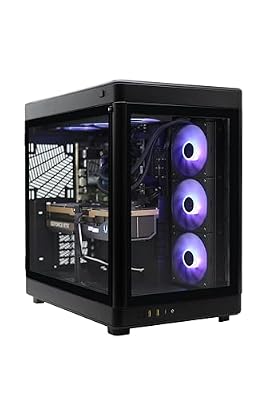
ZOTAC MEK Gaming PC Desktop, NVIDIA GeForce RTX 5090 32GB GDDR7, AMD Ryzen 7 9700X Up to 5.5GHz, 32GB DDR5, 2TB NVMe SSD, 1200W 80+ Gold PSU, WiFi 7, Windows 11 Pro


As an Amazon Associate we earn from qualifying purchases. Product prices and availability are accurate as of the date/time indicated.
Buying Framework: Which Should You Choose?
Use these decision criteria to pick your tier:
- RTX 5070 Ti → 1440p/144Hz or 4K/60Hz gaming, budget $2,000–$2,600 for a complete prebuilt, or $750–$1,100 for a standalone GPU. Best value of the three.
- RTX 5080 → 4K/120Hz+ gaming, budget $3,000–$3,500 for a complete prebuilt, or $999 for a standalone card. Step up only if your monitor supports 4K/120Hz+.
- RTX 5090 → 4K/144Hz+ gaming with no compromises, AI/creative workloads requiring 32GB VRAM, or if budget is not a constraint. Prebuilt systems start at $4,999.
Related Articles
Want to keep digging? The hand-picked guides below run on the same scoring rubric we used here:
Frequently Asked Questions
Which of these three GPUs is best for 4K gaming?
The RTX 5090 leads for native 4K high-refresh and path tracing, the 5080 handles 4K very well especially with upscaling, and the 5070 Ti manages 4K with DLSS but is happiest at 1440p. Choose based on whether you want maximum 4K headroom or better value.
Is the RTX 5090 worth its premium over the 5080?
Only for demanding users. The 5090 is meaningfully faster at 4K and excels at AI and 3D workloads, but the 5080 delivers excellent 4K gaming at a much better price-to-performance ratio. Most gamers get better value from the 5080 unless they need the absolute top tier.
Which card offers the best value for money?
The RTX 5070 Ti typically wins on price-to-performance, delivering strong 1440p and capable 4K gaming for far less than the 5080 or 5090. If your budget is limited and you game mostly at 1440p, the 5070 Ti is the smart value pick among the three.
What resolution suits each of these GPUs?
The 5070 Ti is ideal for high-refresh 1440p, the 5080 targets high-refresh 1440p and 4K, and the 5090 is built for demanding native 4K and beyond. Matching the card to your monitor’s resolution avoids overspending on power you cannot use or bottlenecking a high-res display.
How do power and PSU requirements compare?
The 5090 draws the most power and typically wants a 1000W or higher PSU, the 5080 is comfortable on a quality 850W, and the 5070 Ti needs less still. All use the 12V-2×6 connector, so ensure your power supply supports it and your case has adequate airflow.
Ready to decide? Our #1 pick for 2026 is the RTX 5090.
Live price & availability on Amazon.