- Top Pick: ASUS ROG Strix G16 (2025) Gaming Laptop, 16” FHD+ 16:10 165Hz/3ms, NVIDIA® GeForce RTX™ 5060, Intel® Core™ i7 Processor 14650HX, 16GB DDR5, 1TB Gen 4 SSD, Wi-Fi 7, Windows 11 Home, G615JMR-AS74
- Best Value: HP Victus Gaming 15 Laptop: 15.6" FHD 144Hz Display • Intel 8-Core i5-13420H • NVIDIA GeForce RTX 3050 • 8 GB DDR4 SDRAM • 512 GB NVMe SSD • Win11 Home • Wi-Fi 6 • Backlit Keyboard (Renewed)
- Premium Choice: Acer Nitro V Gaming Laptop | Intel Core 7 Processor 240H | NVIDIA GeForce RTX 5050 Laptop GPU | 16" WUXGA IPS 180Hz Display | 16GB DDR5 | 1TB Gen 4 SSD | Wi-Fi 6 | Backlit KB | ANV16-72-73EW
Shopping for a gaming laptop under $1,000 in 2026 means walking a tightrope. Spend too little and you end up with a machine that stutters through modern titles at native resolution; stretch too far and you’ve blown past the budget that made a mid-range laptop appealing in the first place. Complicating things further, the arrival of NVIDIA’s RTX 50-series has pushed last-generation hardware into aggressive discount territory, which means the “best value” pick changes almost month to month.
This guide cuts through that noise. We’ve focused on machines that genuinely land at or near the $1,000 mark — not aspirational configurations that quietly creep toward $1,400 once you add adequate RAM and storage. Below you’ll find our current picks, a short buying framework to help you weigh GPU against display quality against build, and honest notes on where each laptop compromises. Every recommendation here is built around 1080p and 1200p gaming, which remains the realistic sweet spot at this price.
As an Amazon Associate we earn from qualifying purchases at no extra cost to you. Product prices and availability are accurate as of the date shown and are subject to change.



⚡ Save on Your Next PC — Amazon Prime
Prime members get fast free shipping on the systems above, plus early access to Prime Day & Black Friday PC deals. New members get a 30-day free trial.
Watch: Best Gaming Laptop Under $1000 — Video Review
How to Choose Gaming Laptop Under $1000
- GPU first, always: The graphics chip determines your frame rates more than any other component. At this budget, target an RTX 5050 or RTX 5060 for current-gen efficiency and DLSS 4 support; an RTX 4050 remains capable but is a step behind, and anything below that will struggle in newer releases.
- Don’t accept 8GB of RAM: Modern games routinely request 12GB or more alongside Windows overhead. 16GB of DDR5 should be your floor. If a deal is otherwise excellent but ships with 8GB, confirm the laptop has an accessible second SODIMM slot before buying.
- Refresh rate matters more than resolution: A 144Hz or 165Hz 1080p panel delivers a noticeably smoother experience than a 60Hz higher-resolution screen. Prioritise 144Hz minimum, and treat 16:10 panels as a genuine bonus for productivity and desktop space.
- Check the storage headroom: A 512GB SSD fills up after roughly four or five large installs. 1TB Gen 4 is worth the premium if it fits your budget; otherwise verify there’s a free M.2 slot so you can expand cheaply later.
- Factor in thermals and weight: Budget chassis often trade cooling headroom for a lower price, which shows up as thermal throttling during long sessions. Larger 16-inch models generally run cooler and quieter than thin 15-inch designs with comparable silicon.
The Best Picks Reviewed
ASUS ROG Strix G16 (2025)
This is the most complete package on the list, pairing an RTX 5060 with a 14th-gen Core i7-14650HX, 16GB of DDR5 and a full 1TB Gen 4 SSD — a specification sheet that would have cost considerably more a year ago. The 165Hz 16:10 FHD+ panel and Wi-Fi 7 support make it the pick if you can stretch to the very top of the budget.
Acer Nitro V 16
Acer’s 16-inch Nitro V hits an excellent balance, combining an RTX 5050 and Core 7 240H with 16GB DDR5, a 1TB SSD and a 180Hz WUXGA IPS display. The larger chassis gives it more thermal headroom than most 15-inch rivals, and the storage allocation means you won’t be uninstalling games within a month.
Alienware 16 Aurora
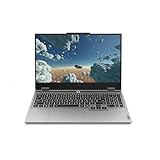
The Aurora brings Alienware’s build quality and cooling design to a price bracket the brand has historically ignored, with an RTX 5050 and Core 7 240H handling 1080p gaming comfortably. It’s the choice for buyers who value chassis rigidity, keyboard feel and after-sales support over raw specification-per-dollar.
Acer Nitro V 15
The 15.6-inch Nitro V is the most consistently discounted machine here, offering an RTX 5050 with 8GB of GDDR7, a Core i5-13420H and a 165Hz IPS panel. The 512GB SSD is its main limitation, but there’s room to upgrade and the overall frame-rate-per-dollar figure is hard to beat.
ASUS TUF Gaming A16
ASUS’s TUF line remains the durability pick, with military-standard testing and a proven cooling layout wrapped around a Ryzen 7 7445HS and RTX 4050. The 145Hz 16:10 display is a genuine strength, and while the previous-generation GPU means no DLSS 4 frame generation, it handles 1080p high settings in most titles without complaint.
Frequently Asked Questions
Can a sub-$1,000 laptop run current AAA games?
Yes, at 1080p with medium-to-high settings and upscaling enabled. An RTX 5050 or 5060 paired with DLSS will comfortably clear 60fps in most 2025 and 2026 releases; expect to lower settings for heavy ray-traced titles.
Is a renewed or refurbished gaming laptop a safe buy?
It can be, provided it’s sold through a programme with a clear return window and warranty. Renewed units like the HP Victus 15 offer real savings, but you’re accepting an older GPU generation and, in that case, only 8GB of RAM — budget for an upgrade.
Should I wait for the next generation of hardware?
Not if you need a machine now. RTX 50-series laptops are widely available and well-priced in 2026, and the discounts on 40-series stock are as deep as they’re likely to get.
How much does the CPU actually matter?
Less than the GPU for gaming, but it’s not irrelevant. Any modern six-core-or-better chip like the i5-13420H or Ryzen 7 7445HS will avoid bottlenecking these GPUs at 1080p; the i7-14650HX only pulls ahead in streaming and content creation.
Final Thoughts
If your budget genuinely reaches $1,000, the ASUS ROG Strix G16 is the strongest all-round buy here — the RTX 5060, 16GB of DDR5 and 1TB SSD combination leaves nothing obvious to upgrade. The 16-inch Acer Nitro V is the smarter value play for most buyers, matching that storage and memory with a 180Hz panel for meaningfully less, while the ASUS TUF Gaming A16 remains the pick if long-term durability matters more to you than having the latest GPU architecture.