- Top Pick: Light Gaming Laptop, ΑΜD Ryzen 7430U (Up to 4.3GHz), 16GB RAM 512GB SSD
- Best Value: NIMO 15.6" IPS FHD-Light Gaming-Laptop,AMD Ryzen 5 6600H 16GB DDR5 RAM 512GB SSD (Beat i5-1335U, 6 Cores Up to 4.5GHz) AMD Radeon 660M GPU-Computer with 100W Type-C Backlit Keyboard Fingerprint
- Premium Choice: Light Gaming Laptop, ΑΜD Ryzen 7 5700U(Up to 4.3GHz), 16GB RAM 512GB SSD
🛒 Best Price Today on Amazon
Prime members get fast, free shipping on everything above, plus member-only deals. New members get a 30-day free trial — cancel anytime.
- Thin Gaming Laptops in 2026: Performance Has Gone Portable
- What “Thin and Light” Means for Gaming Laptops
- Best Thin Gaming Laptops 2026
- Thin Gaming Laptop Trade-offs to Accept
- How to Get the Most from a Thin Gaming Laptop
- Thin Gaming Laptop vs Standard Gaming Laptop
- Frequently Asked Questions
- Related Articles
- Related Guides
Thin Gaming Laptops in 2026: Performance Has Gone Portable
Thin and light gaming laptops crossed a critical line in 2026 — you can now get RTX 5070 Laptop performance in a 1.7kg chassis under 18mm thick. The trade-off is thermal headroom and battery life, but modern vapor chamber cooling and DLSS 4 have made thin gaming laptops more viable than ever.
As an Amazon Associate we earn from qualifying purchases at no extra cost to you.


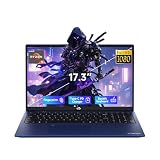


What “Thin and Light” Means for Gaming Laptops
| Category | Weight | Thickness | GPU TGP Limit |
|---|---|---|---|
| Ultraportable gaming | Under 1.6kg | Under 16mm | 60–80W |
| Thin gaming | 1.6–1.9kg | 16–19mm | 80–115W |
| Standard gaming | 2.0–2.4kg | 20–25mm | 115–150W |
| Desktop replacement | 2.5kg+ | 25mm+ | 150–175W |
Best Thin Gaming Laptops 2026
1. ASUS ROG Zephyrus G14 — Best Overall Thin Gaming Laptop
At 1.65kg and 19.9mm thick, the G14 2026 fits an RTX 5070 Laptop (140W TGP) into a remarkably portable shell. The AMD Ryzen AI 9 + OLED display combo, a 70Wh battery for 8+ hours of productivity, and a magnesium alloy build make it the definitive thin gaming laptop. The only compromises are no dedicated numpad and a limited rear port selection.
The G14 is the rare thin laptop that doesn’t force a hard choice between portability and power — its 140W TGP is near the top of the thin-gaming class, so you sacrifice very little GPU performance for the slim body. The efficient Ryzen AI chip is what unlocks the long battery life, switching to integrated graphics for everyday work so the OLED panel and 70Wh cell can stretch through a full day. It’s the laptop most people should buy if they want one machine for work and play.
2. Razer Blade 14 — Best Premium Thin Gaming Laptop
The Razer Blade 14 packs an RTX 5070 Laptop into a 1.69kg CNC aluminum chassis at 15.6mm thick — the thinnest serious gaming laptop going. Vapor chamber cooling, a QHD OLED 165Hz display, and Razer’s legendary build quality. Premium pricing ($1,600–$1,800) but unmatched build and looks for gamers who want a laptop that looks great anywhere.
The Blade 14’s unibody aluminum construction is the most rigid in its class, with zero flex in the deck or lid, and the understated black finish passes for a professional ultrabook in a meeting. The vapor chamber does impressive work keeping the RTX 5070 fed in such a thin body, though it runs warmer and louder than the thicker G14 under sustained load. For buyers who prize build quality and a discreet look above all, it’s worth the premium.
3. LG Gram Pro 17 Gaming — Best Ultra-Light Option
The LG Gram Pro with RTX 5060 Laptop dips under 1.5kg — lighter than most 15-inch laptops despite the 17-inch screen. Extreme battery life (15+ hours productivity), military-grade durability, and a gorgeous IPS display. GPU performance is held back by the thin chassis (80W TGP), but for productivity-first users who game occasionally, it’s the best compromise available.
The Gram Pro is the pick for someone whose primary need is a featherweight productivity laptop with a large screen, and gaming is a welcome bonus rather than the priority. The 80W RTX 5060 handles esports titles and older AAA games comfortably at 1080p, but it isn’t built to max out the latest releases. What you get in return is genuinely class-leading portability and battery life that no dedicated gaming laptop can match.
Thin Gaming Laptop Trade-offs to Accept
- Lower GPU TGP: Thinner = less cooling = lower sustained GPU wattage
- Fan noise: Smaller fans spin faster and louder under load
- Battery drain: GPU gaming still drains in 2-3 hours despite larger battery
- No optical drive, limited ports: Thin chassis means fewer I/O options
How to Get the Most from a Thin Gaming Laptop
A few habits close much of the gap between a thin laptop and a chunky one. First, lean on DLSS 4 and frame generation — because thin laptops run lower GPU wattage, upscaling recovers the frames that the reduced TGP costs you, often making a 100W chip feel like a full-power one. Second, use a laptop cooling stand at your desk to feed the intake fans more air, which lets the GPU sustain higher clocks and run quieter. Third, undervolting the CPU with the manufacturer’s tuning app can drop temperatures several degrees and reduce fan noise with no performance loss. Finally, always game plugged in — thin laptops throttle hardest on battery, dropping well over half their frame rate to conserve power.
Thin Gaming Laptop vs Standard Gaming Laptop
The decision comes down to how you’ll actually use the machine. A thin laptop makes sense if you carry it daily — to campus, the office, or on trips — and value a machine that looks and feels like a premium ultrabook. You accept slightly lower sustained performance and louder fans in exchange for portability. A standard or desktop-replacement laptop is the better buy if it mostly lives on a desk and only occasionally moves; the extra thickness allows a higher GPU TGP, cooler and quieter operation, and better sustained frame rates in long sessions. If you never carry your laptop, there’s little reason to pay the thin-and-light premium for less performance.
What is the lightest gaming laptop in 2026?
Do thin gaming laptops throttle more than thick ones?
What’s the best thin gaming laptop for college students?
How can I reduce throttling on a thin gaming laptop?
Is a thin gaming laptop worth it over a standard one?
How long do thin gaming laptop batteries last while gaming?
Frequently Asked Questions
Do thin gaming laptops sacrifice performance?
Thin and light gaming laptops usually run their GPUs at lower wattage than thick models to manage heat, which reduces peak performance somewhat. However, efficient RTX 5000 chips and DLSS 4 close much of the gap, delivering strong 1440p gaming in a portable chassis. You trade some raw power and thermal headroom for portability and quieter operation.
How do thin gaming laptops handle heat?
Thin gaming laptops rely on advanced cooling like vapor chambers, liquid metal thermal compound, and dual or triple fans to manage heat in a slim body. They can still run warm and throttle under sustained load, and surfaces may get hot. Good models balance acceptable temperatures with reasonable fan noise, but expect more thermal limits than thick laptops.
What weight counts as thin and light?
Thin and light gaming laptops generally weigh between about 3.5 and 5 pounds and measure under roughly 20mm thick. 14 inch models sit at the lighter end for maximum portability, while 16 inch versions weigh a bit more but add screen space. Anything above 5.5 pounds starts leaning toward traditional bulkier gaming laptop territory.
Is battery life better on thin gaming laptops?
Thin gaming laptops often prioritize efficiency and include features like MUX switches with hybrid graphics, giving better battery life for productivity than bulky rivals, sometimes eight or more hours of light use. Gaming unplugged still drains the battery quickly and reduces performance, so they are best used plugged in for demanding games.
Are thin gaming laptops good for work and travel?
Yes, thin and light gaming laptops are excellent for hybrid users who game and also travel or work, thanks to their portable size, premium build quality, and strong CPU and GPU performance for creative tasks. Their better battery life and quieter operation compared to thick models make them practical daily drivers as well as capable gaming machines.