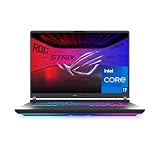
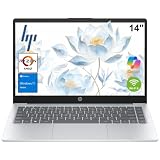
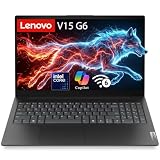
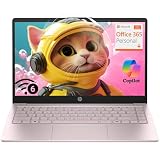
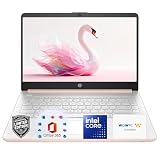
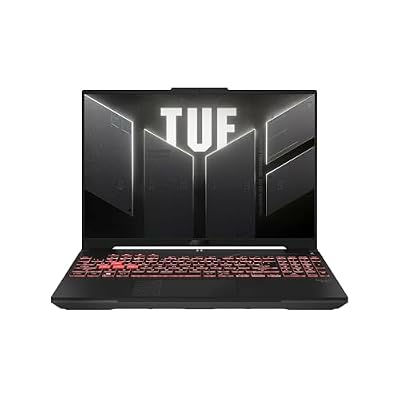
- Top Pick: ASUS TUF Gaming A16 Laptop: AMD Ryzen 7 7445HS, 16" Full HD+ 145Hz Display, NVIDIA GeForce RTX 4050, 16GB DDR5 RAM, 512GB SSD, Backlit Keyboard, Windows 11
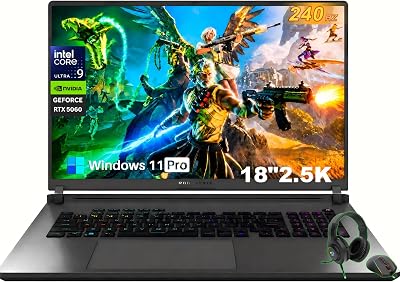
- Best Value: NIMO 17.3" Light Gaming-AI-Laptop, AMD R7-8745HS (Up to 4.9GHz Beat R9 7940HS) 32GB RAM 1TB SSD 780M-Radeon, USB 4.0 FHD Backlit-KB PC for Multitasking & Remote Video Creators Streaming 2-Yr Warranty
- Premium Choice: Dell Alienware 16X Aurora Gaming AI Laptop 16" WQXGA 240Hz (100% DCI-P3) Intel 24-core Ultra 9 275HX 32GB RAM 2TB SSD GeForce RTX 5070 (Up to 798 AI Tops) Thunderbolt Win11Pro
Shopping for a gaming laptop in 2026 means wading through a sea of specs, marketing buzzwords like “AI TOPS,” and near-identical chassis designs that make it hard to tell which machine actually delivers on frame rates without turning into a space heater on your lap. The right choice depends on balancing raw GPU horsepower against battery life, display quality, and thermal design, and getting that balance wrong means either overpaying for power you won’t use or under-buying and hitting a performance wall in six months.
This guide breaks down six of the most capable gaming laptops available right now, from budget-conscious 16-inch workhorses to flagship 240Hz powerhouses built for competitive play and content creation alike. We’ll walk through what actually matters when comparing these machines, review each one individually, and answer the questions we hear most from buyers trying to pick the right fit.


Dropped $20.99

Prime
Limited Time
Logitech G502 Hero High Performance Wired Gaming Mouse, Hero 25K Sensor, 25,600 DPI, RGB, Adjustable Weights, 11 Programmable Buttons, On-Board Memory, PC/Mac – Black

Save $1,202.00
As an Amazon Associate we earn from qualifying purchases at no extra cost to you. Product prices and availability are accurate as of the date shown and are subject to change.





🎮 Get More From Your Setup — Free
Prime Gaming gives you free PC games every month, in-game loot, and a free Twitch channel sub — plus fast free shipping on all the gear above. New members get a 30-day free trial.
Watch: Best Gaming Laptops Performance And Portability — Video Review
How to Choose a Gaming Laptop for Performance And Portability (2026)
- GPU Tier: The graphics card determines your ceiling for frame rates and ray tracing. An RTX 4050 handles 1080p esports titles comfortably, while an RTX 5070 opens the door to 1440p and high-refresh 4K gaming.
- Display Refresh Rate and Resolution: A 240Hz panel only matters if your GPU can push enough frames to use it. Match a high refresh rate with a GPU capable of sustaining those frame rates in your target titles.
- RAM and Storage: 16GB is the practical minimum for modern games, but 32GB or more pays off if you stream, edit video, or run AI workloads alongside gaming. Prioritize at least 1TB of SSD storage since modern game installs routinely exceed 50-100GB each.
- Thermal Design and Weight: More powerful chips generate more heat, and cramming a high-wattage GPU into a thin chassis often means aggressive fan noise or thermal throttling under load. Heavier 16-17″ laptops generally cool better than ultra-slim designs.
- Battery and Portability Tradeoffs: Gaming laptops rarely deliver long battery life under load, but efficient CPUs like the Ryzen 8745HS or Intel Ultra 9 series stretch unplugged productivity use significantly better than older chips.
The Best Gaming Laptops for Performance And Portability (2026)s Reviewed
ASUS TUF Gaming A16
The TUF A16 pairs a Ryzen 7 7445HS with an RTX 4050 for a well-rounded entry point into serious gaming, and its 145Hz FHD+ display keeps competitive titles smooth without demanding a top-tier GPU. It’s the best pick here for buyers who want durability and solid 1080p performance without stretching their budget.
NIMO 17.3″ Light Gaming-AI-Laptop
With a Ryzen 7 8745HS reaching up to 4.9GHz and 32GB of RAM, this NIMO model punches above its price point for multitasking, streaming, and content creation, even though its Radeon 780M integrated graphics won’t match a dedicated GPU for heavy gaming. It’s a strong choice for creators who game casually rather than competitive players chasing max settings.
Dell Alienware 16X Aurora
The Alienware 16X Aurora is the flagship of this lineup, combining a 24-core Intel Ultra 9 275HX with an RTX 5070 and a 240Hz WQXGA display rated for 100% DCI-P3 coverage. This is the machine for buyers who want both top-tier gaming performance and a color-accurate display for creative work, with Thunderbolt connectivity rounding out its premium positioning.
NIMO 15.6 Gaming-Creator-Laptop
This compact NIMO model shares the capable Ryzen 7 8745HS and 32GB RAM configuration of its 17.3″ sibling but in a lighter 15.6″ body with 100W fast charging, making it a solid grab-and-go option for remote creators. Its Radeon 780M graphics are better suited to light gaming and video editing than demanding AAA titles.
HP OMEN 16
The OMEN 16 stands out with 64GB of DDR5 RAM and a massive 4TB SSD alongside an Intel Ultra 9-285H and RTX 5070, making it as much a workstation as a gaming rig. Its 240Hz WQXGA display and ample memory headroom make this the pick for buyers who game hard and also run demanding creative or multitasking workloads on the side.
Frequently Asked Questions
Do I need an RTX 5070 for 1440p gaming?
An RTX 5070 handles 1440p gaming at high settings comfortably in most modern titles, while an RTX 4050 is better suited to 1080p. If you plan to game at 1440p or higher resolutions, prioritize the more powerful GPU tier.
Is 16GB of RAM enough for gaming in 2026?
16GB remains sufficient for most current games, but 32GB provides meaningful headroom if you stream, run background applications, or work with creative software alongside gaming sessions.
Are integrated graphics like the Radeon 780M good enough for gaming?
Integrated graphics like the Radeon 780M handle esports and less demanding titles at lower settings reasonably well, but they fall short of dedicated GPUs like the RTX 4050 or RTX 5070 for AAA gaming at higher settings or resolutions.
How much does display refresh rate matter for casual gamers?
Casual gamers and those playing story-driven or slower-paced titles won’t notice much benefit from refresh rates above 144Hz, so it’s reasonable to prioritize resolution or GPU power over an ultra-high refresh display in that case.
Final Thoughts
For most buyers, the ASUS TUF Gaming A16 offers the best balance of price and 1080p gaming performance, while the HP OMEN 16 and Dell Alienware 16X Aurora stand out as the top choices for anyone who wants flagship-level power for both gaming and demanding creative workloads.
Top picks from this guide
 ASUSASUS TUF Gaming A16 Laptop: AMD Ryzen 7 7445HS, 16"…$1,095 \xc2\xb7 99/100
 HPHP Victus 15.6" Full HD 144Hz Gaming Laptop, Intel Core…$843 \xc2\xb7 98/100
 Logitech GLogitech G502 Hero Wired Gaming Mouse - Black$38 \xc2\xb7 97/100
 MicrosoftMicrosoft Surface Pro (2026), 13-inch Premium Performance 2-in-1 Laptop, Snapdragon…$1,300 \xc2\xb7 95/100